
Digital literacy & productivity
Participants strengthen practical computer use, information handling, communication and confidence with everyday digital tools.
Community-led development for resilient rural Malawi.
Youth & digital innovation
SURCOD supports young people to build practical digital capability, confidence, leadership and livelihood readiness while using technology responsibly and applying learning to local priorities.
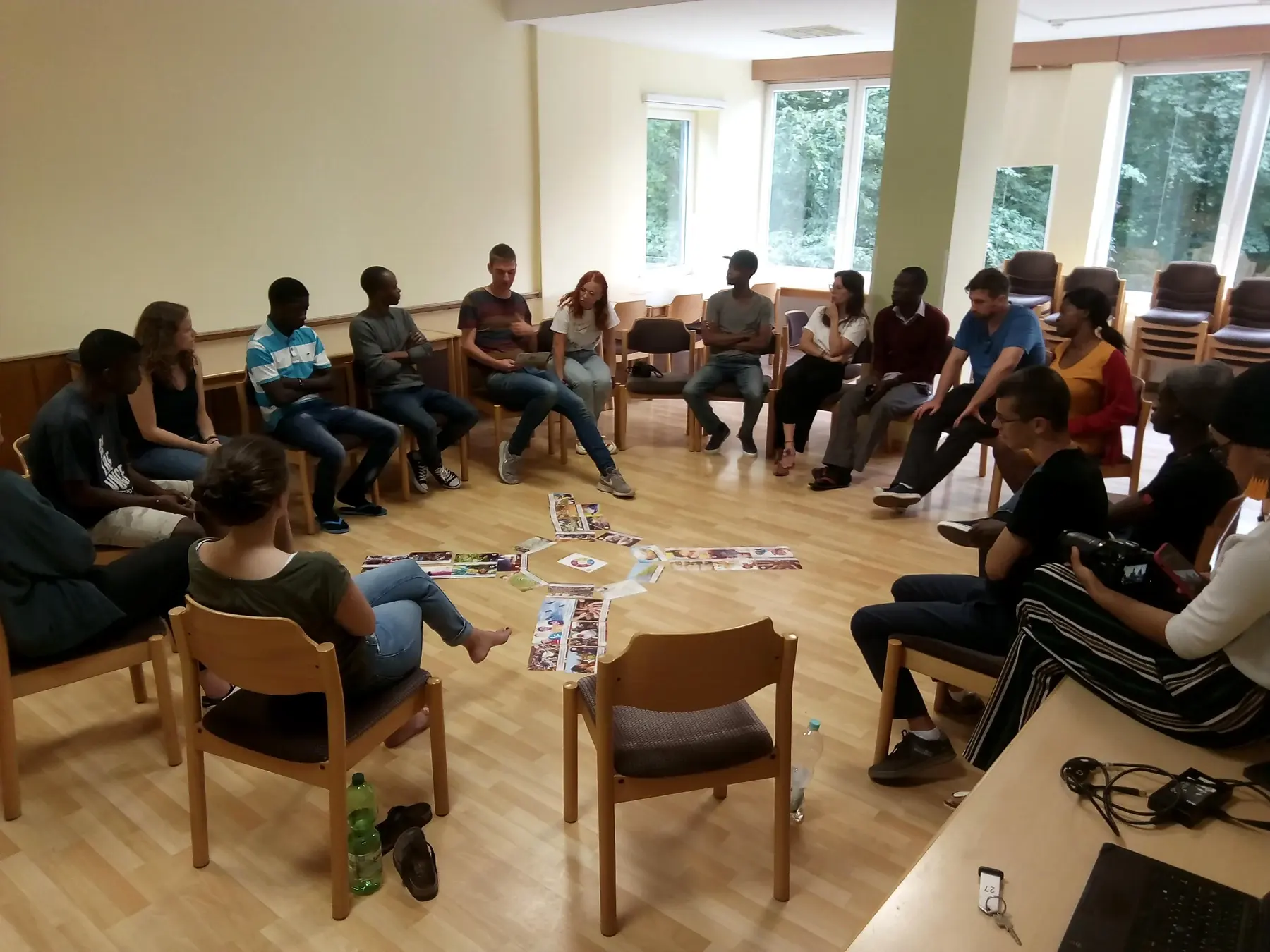
Collaboration turns ideas into opportunity
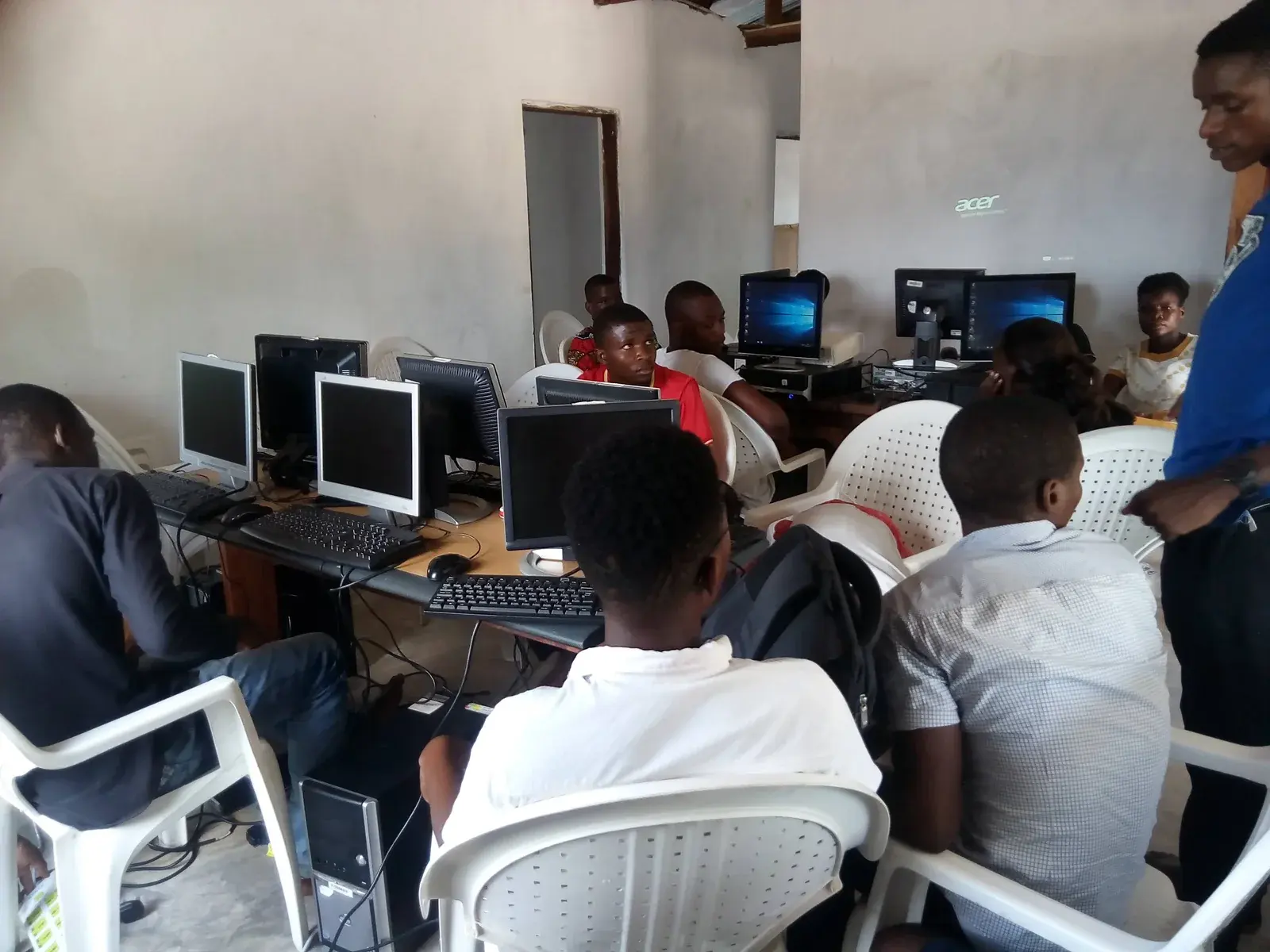
Digital skills through guided practice
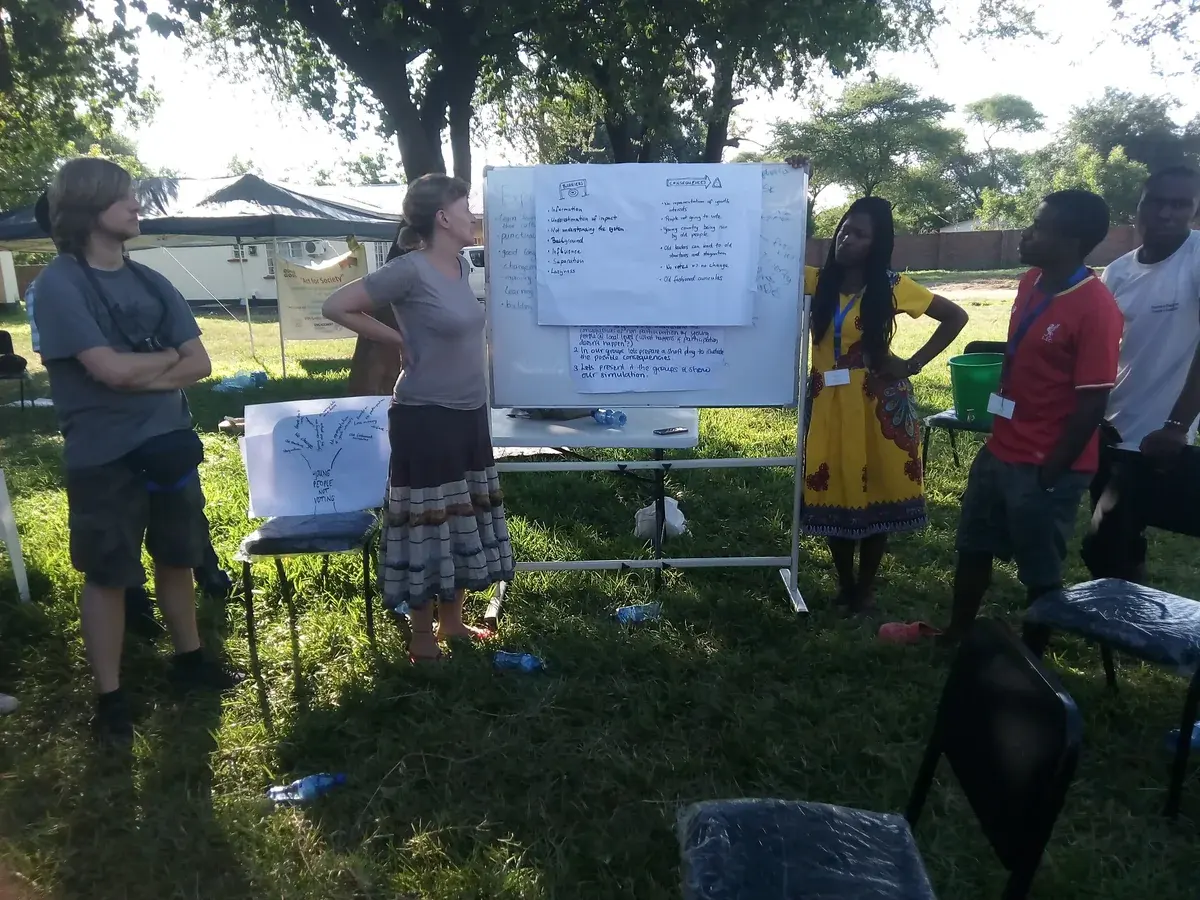
Young people shaping shared solutions
Why this programme matters
Youth development is one of SURCOD's recognised programme areas, delivered through community structures that include youth clubs and other local networks.
Digital access alone does not create opportunity. Young people also need practical capability, confidence, responsible-use habits, supportive relationships and spaces where their ideas are heard.
SURCOD connects skills development with participation, self-reliance and community action so that learning can support education, livelihoods, leadership and locally driven innovation.
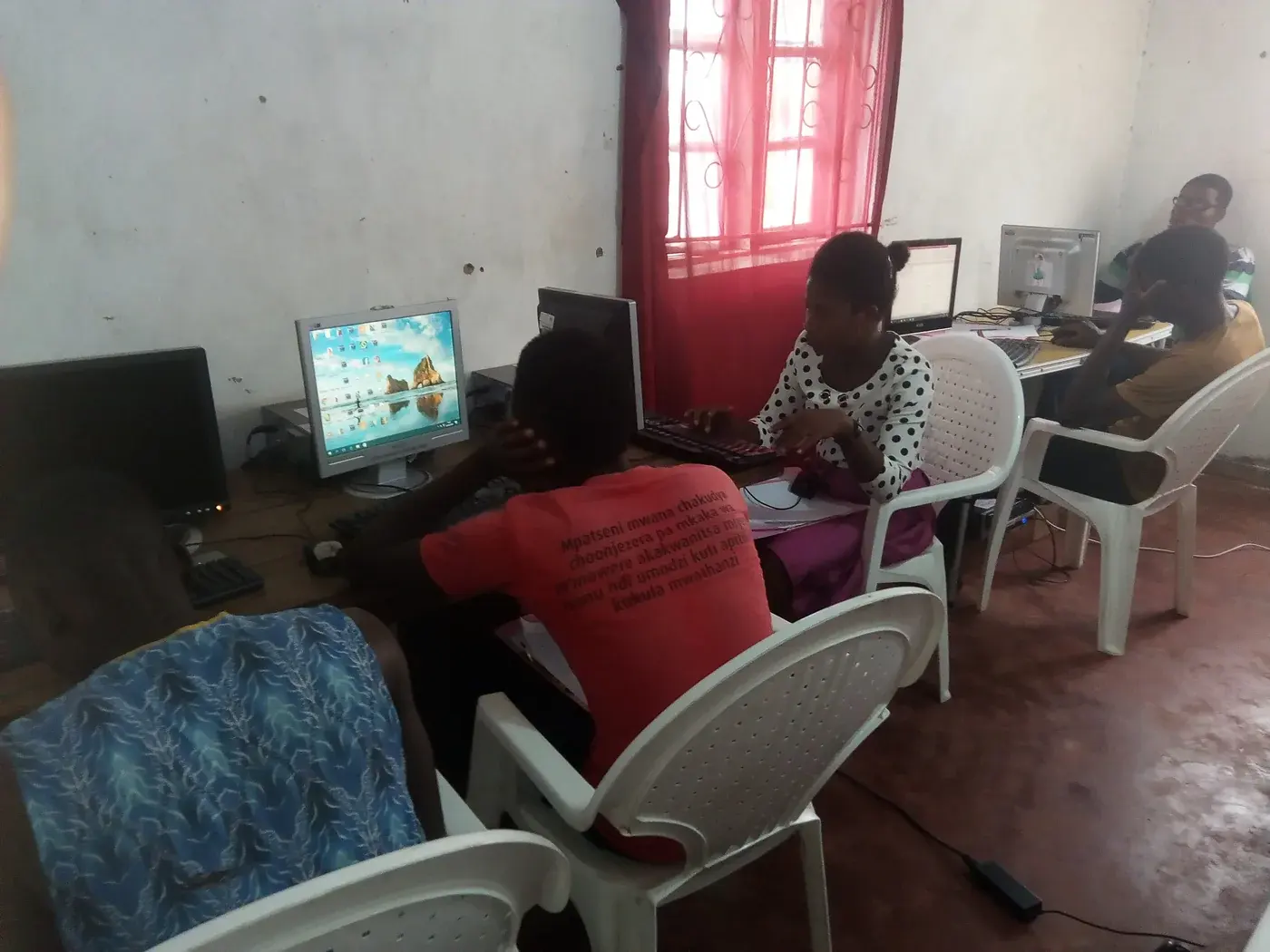
Learning focuses on useful tasks, repeated practice and confidence with everyday digital tools.
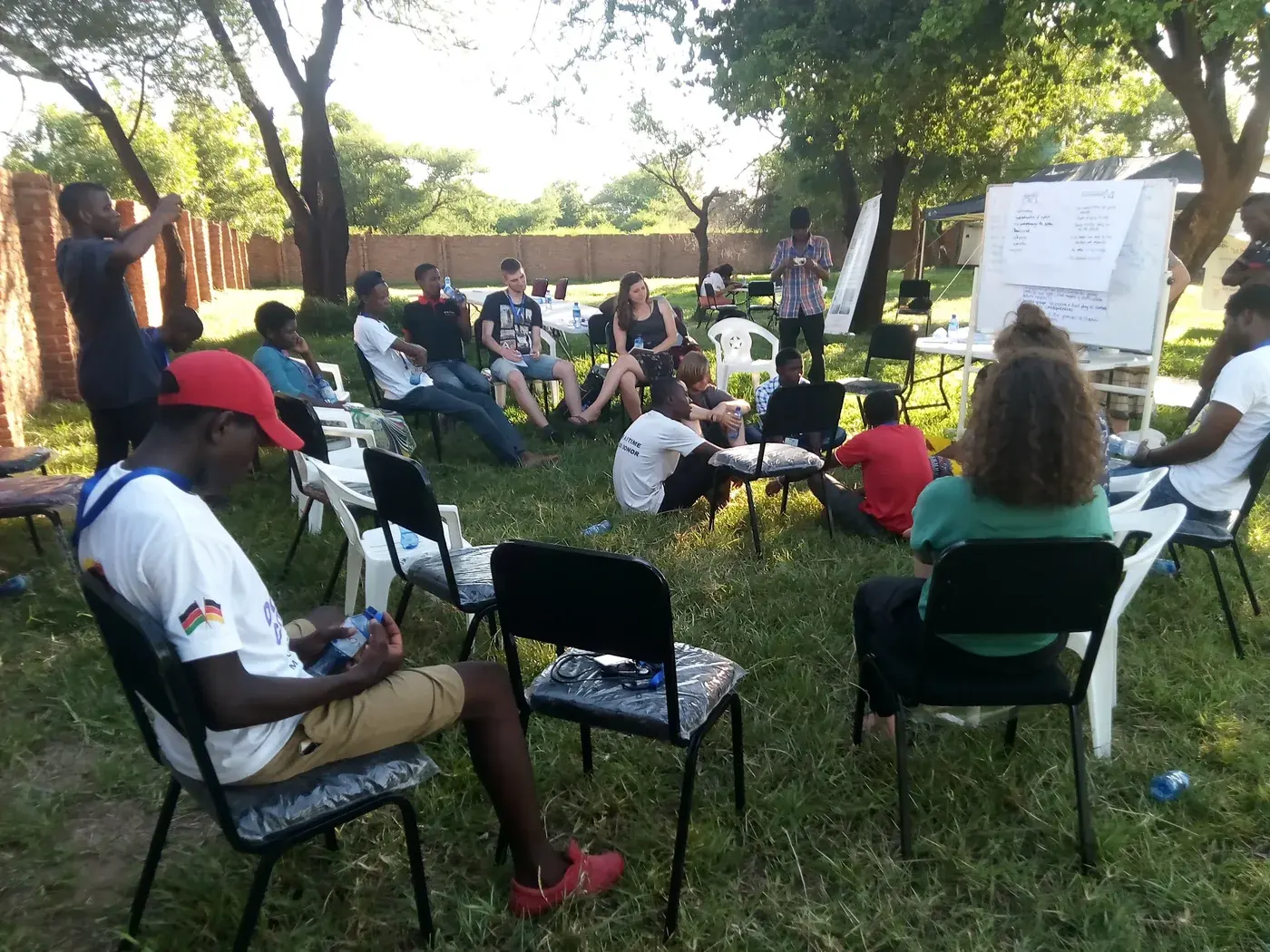
Young people contribute ideas, discuss local challenges and take part in shaping responses.
Skills, mentoring and exposure can strengthen readiness for education, work and enterprise.
Programme focus
Activities are adapted to participant needs, available technology, local priorities and the safeguarding requirements of each setting.
Participants strengthen practical computer use, information handling, communication and confidence with everyday digital tools.
Dialogue, teamwork and youth-led activities create space for young people to contribute ideas and take responsibility.
Learning connects initiative, problem-solving, communication and basic digital capability with pathways towards self-reliance.
Participants build awareness, confidence and practical habits that can support further learning, applications and workplace readiness.
Young people explore how simple tools, local knowledge and collaborative thinking can respond to community challenges.
Digital participation is designed around dignity, privacy, appropriate supervision, equal access and protection from online harm.
Learning in practice
SURCOD's participatory approach combines practical learning with peer exchange so that participants can understand, apply and share what they learn.
 01
01Facilitated sessions help participants become comfortable with digital tools through direct use and repeated practice.
 02
02Individual support and peer assistance help participants progress at different starting levels.
 03
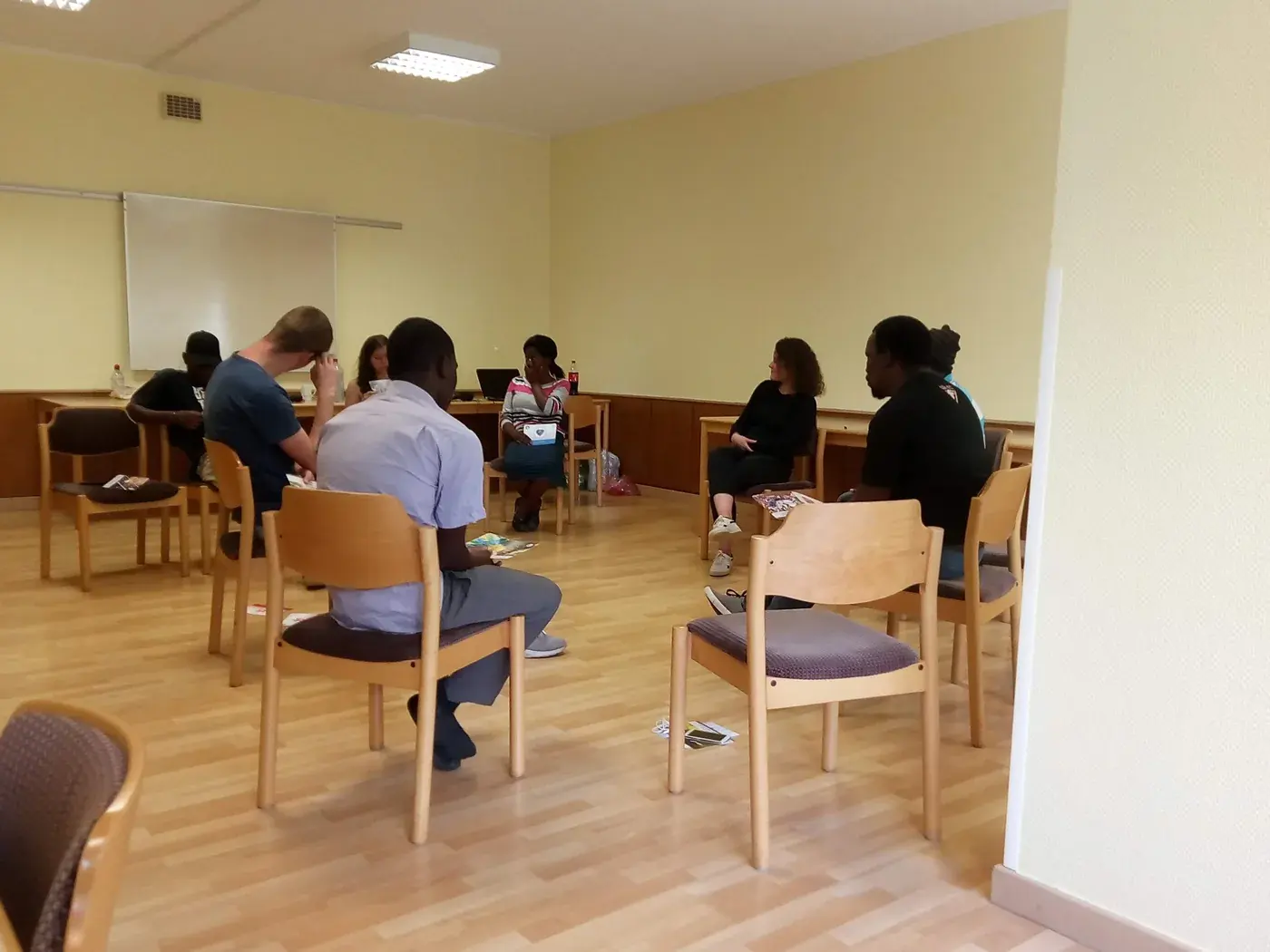
03Structured discussion strengthens communication, listening, teamwork and confidence in sharing ideas.
 04
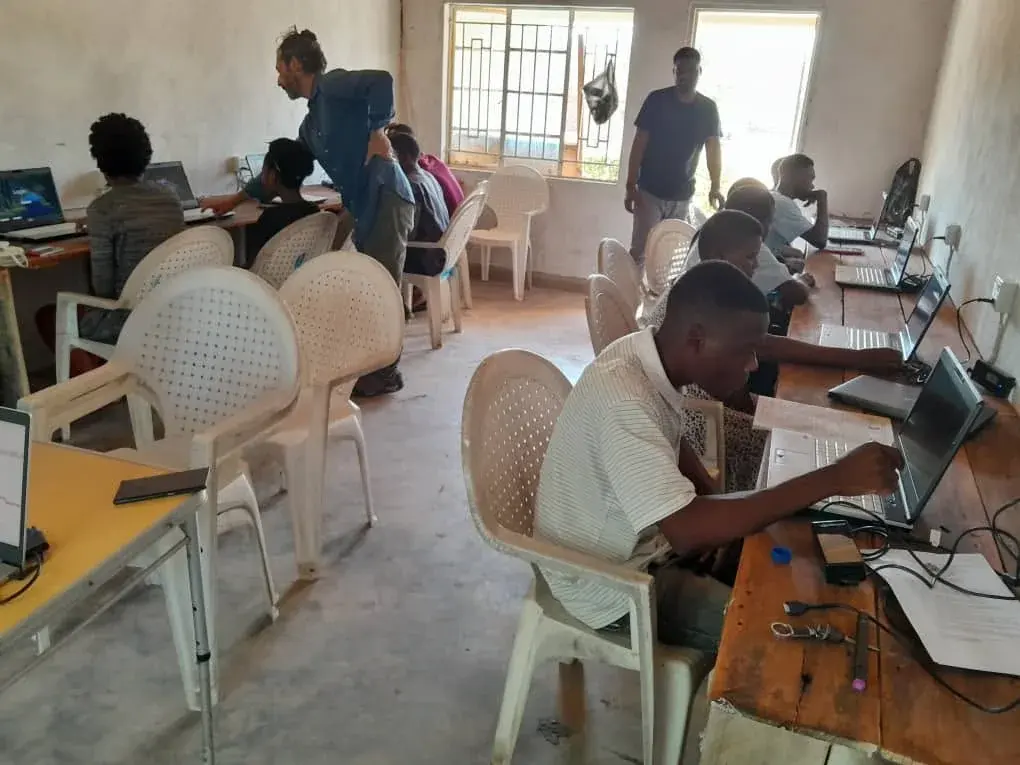
04Structured computer sessions give participants direct experience with digital tools in a supported learning environment.
 05
05Participants connect new knowledge with community priorities and consider practical ways to contribute.
How learning develops
Young people identify their interests, barriers, existing skills and the opportunities that matter locally.
Facilitators introduce relevant knowledge, practical tools and safe participation expectations.
Participants build confidence through hands-on tasks, teamwork, feedback and repetition.
Young people apply learning to ideas, challenges, livelihood goals or community-focused activities.
Participants communicate what they have learned, support peers and take greater ownership of next steps.
Safe participation
SURCOD's safeguarding framework requires safe programme design for youth activities and appropriate protection against risks in digital and online settings.
Youth sessions are planned for appropriate times and visible settings with suitable supervision.
Participation should be fair, respectful and accessible without discrimination or humiliation.
Participants are encouraged to protect personal information and use digital tools responsibly.
Digital activities consider risks such as exploitation, unsafe contact, harmful content and misuse of personal data.
Intended outcomes
Results depend on each project's duration, participants and resources. SURCOD's youth and digital work is designed to contribute towards these longer-term outcomes.
Participants can approach common digital tasks with stronger understanding and less dependence.
Young people build confidence in contributing ideas, working with others and learning from peers.
Practical habits and transferable skills can support education, livelihoods, enterprise and work pathways.
Young people apply learning, initiative and collaboration to priorities within their own communities.
Connected programme areas
Young people participate in food systems, environmental action, health, inclusion and local leadership. Digital capability can strengthen how they learn, communicate and contribute across these areas.
SURCOD welcomes partners who value practical learning, meaningful youth participation, safeguarding, responsible technology and community-led innovation.