
Sustainable crop production
Farmer learning focuses on practical methods that strengthen productivity while respecting local conditions and available resources.
Community-led development for resilient rural Malawi.
Agriculture & food security
SURCOD works alongside rural communities to strengthen practical agricultural knowledge, protect soil and water resources, improve household food security and support livelihoods that can withstand changing conditions.
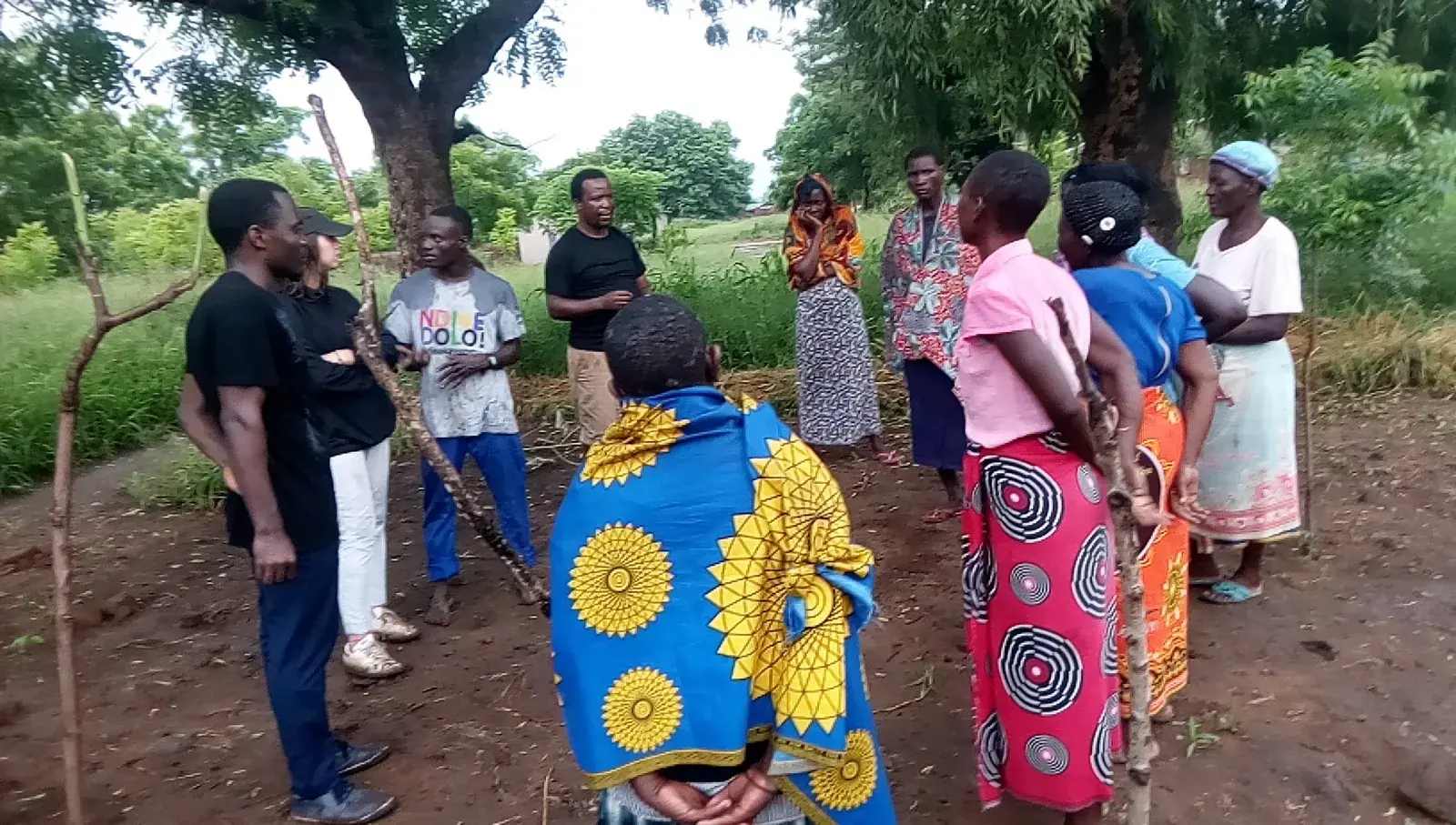
Farmers help define the priorities
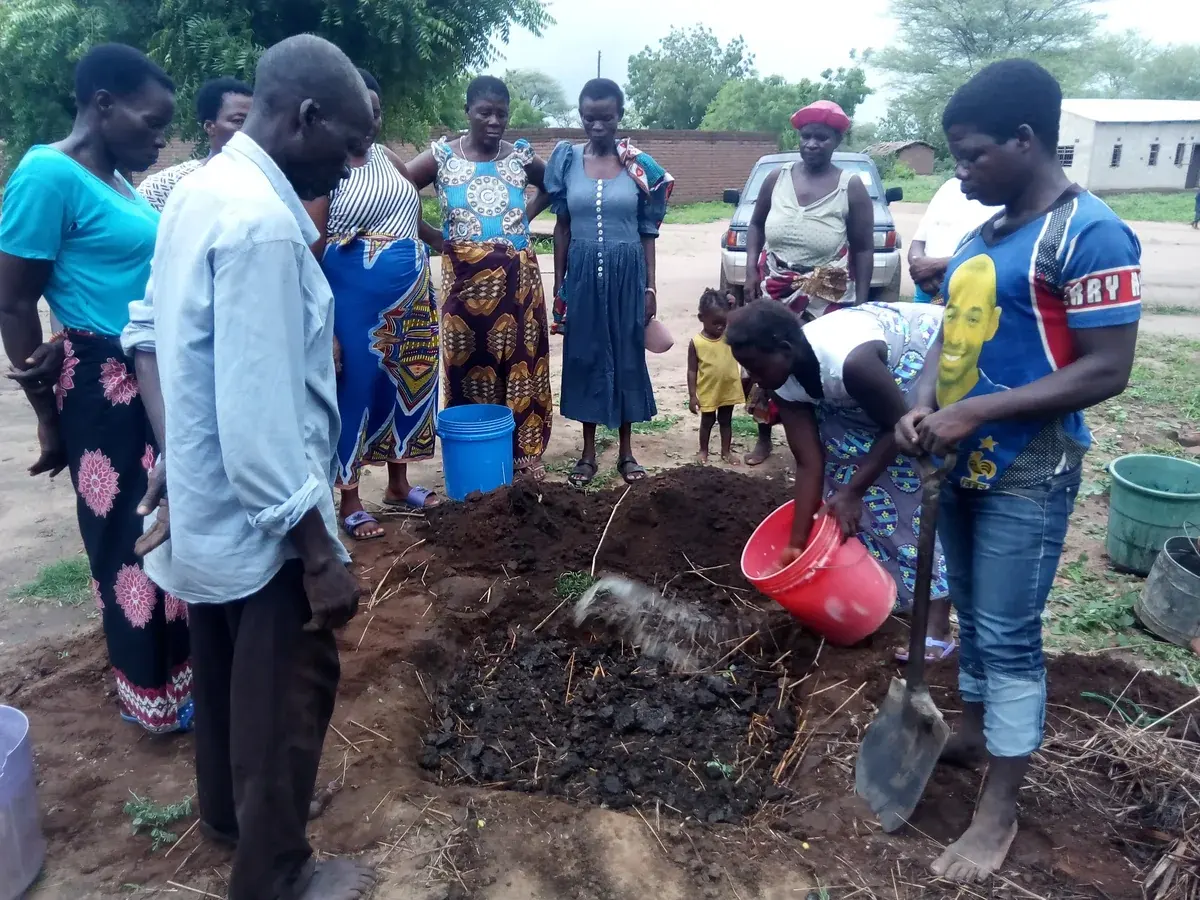
Practical soil-health learning
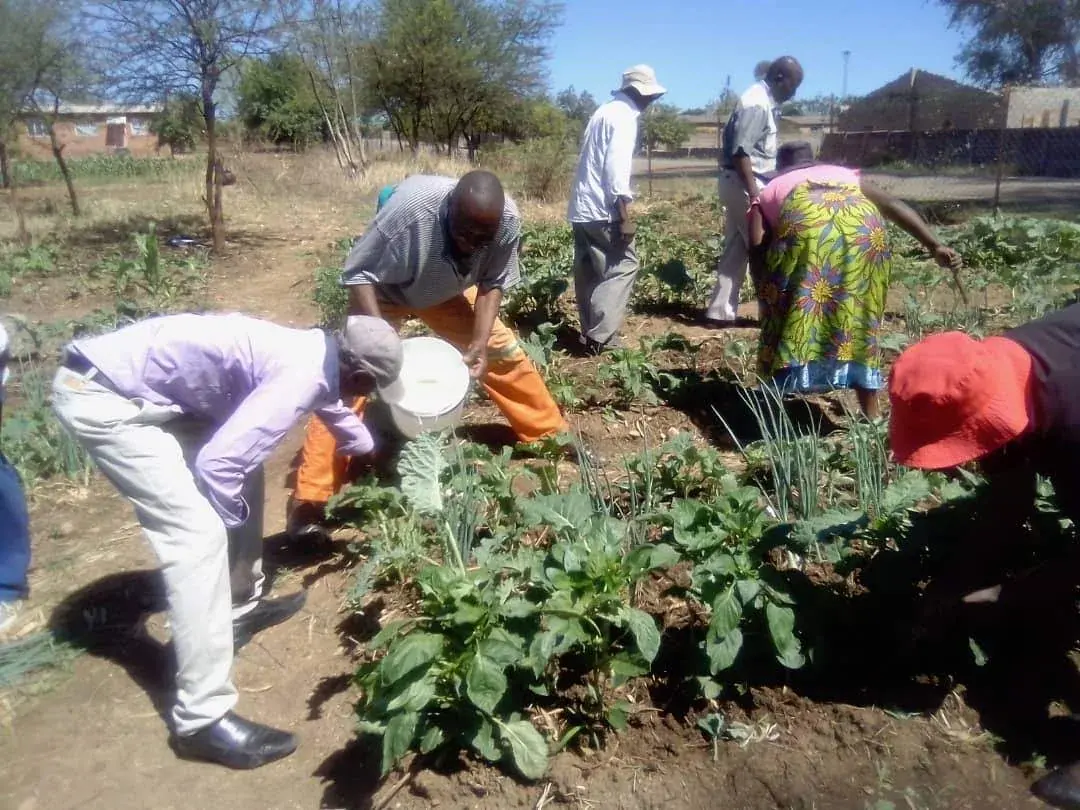
Knowledge applied in the field
Why this programme matters
For rural households, agriculture is closely linked to daily food needs, income, environmental conditions and the ability to recover from shocks.
SURCOD's founding objectives include improving food security and household income, strengthening soil fertility, promoting water conservation and supporting responsible natural-resource management.
The programme therefore combines practical learning with farmer participation, local knowledge and collaboration so that communities can shape solutions suited to their own conditions.
Strengthening the knowledge and practices that support reliable local food production.
Protecting the productive resources on which farming and future livelihoods depend.
Farmers participate in identifying priorities, implementing activities and reviewing progress.
Programme focus
Specific activities are adapted to local priorities, available resources and the conditions faced by participating communities.
Farmer learning focuses on practical methods that strengthen productivity while respecting local conditions and available resources.
Communities explore soil-improvement, composting, erosion-control and land-management practices that protect long-term productivity.
Water conservation, efficient use and locally appropriate irrigation practices support production under increasingly variable conditions.
Farmer groups create space for shared learning, collective problem-solving, coordination and stronger links with local institutions.
Production decisions are connected to household income, diversification, cooperation and opportunities to engage more effectively with markets.
Women, young people and marginalised community members should participate meaningfully in agricultural learning and decision-making.
Learning by doing
Field-based learning allows participants to observe a method, discuss how it fits local conditions and decide how it can be used or improved within their own farming systems.
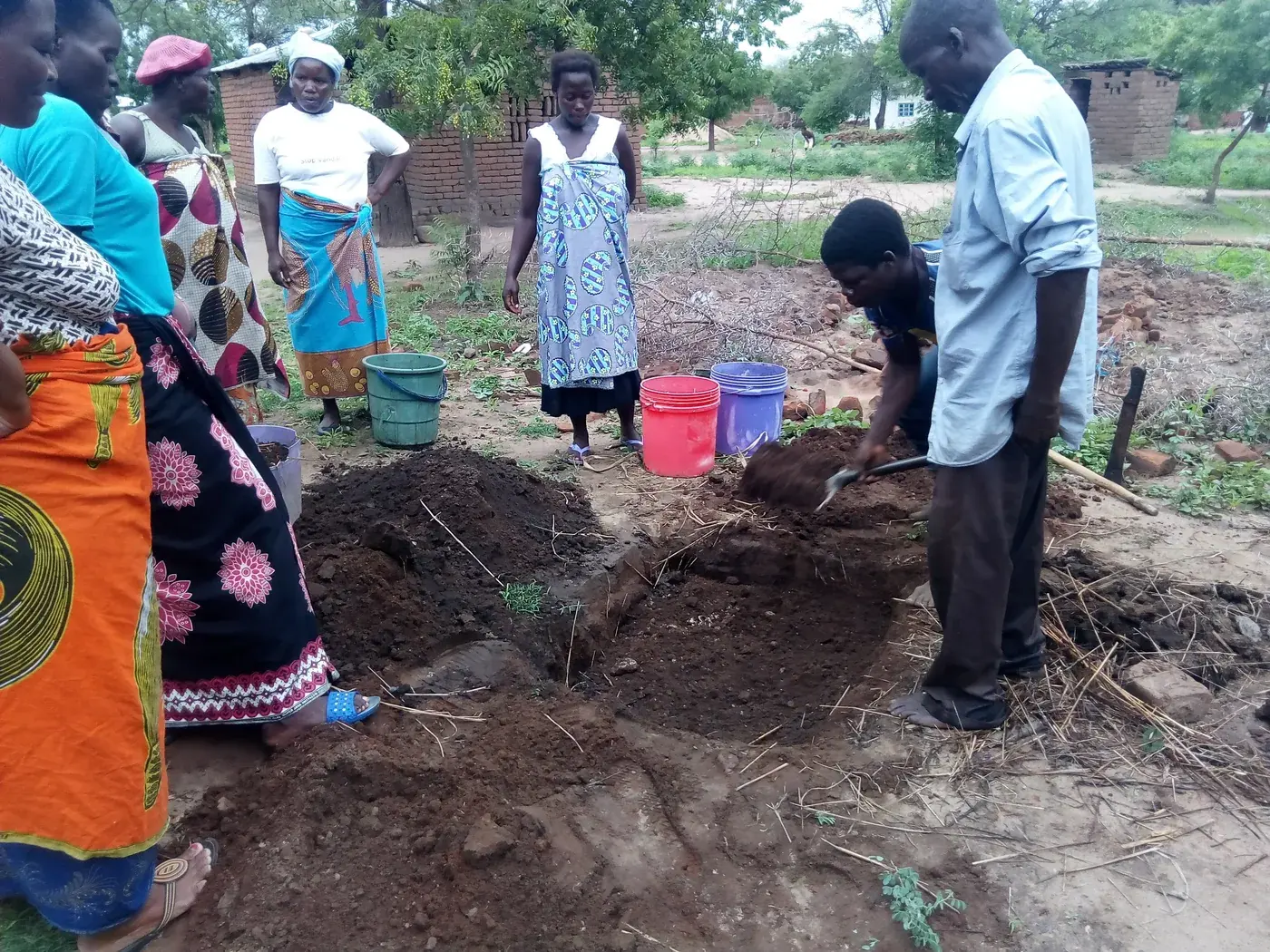 01
01Participants examine practical ways to improve soil condition and protect productive land.
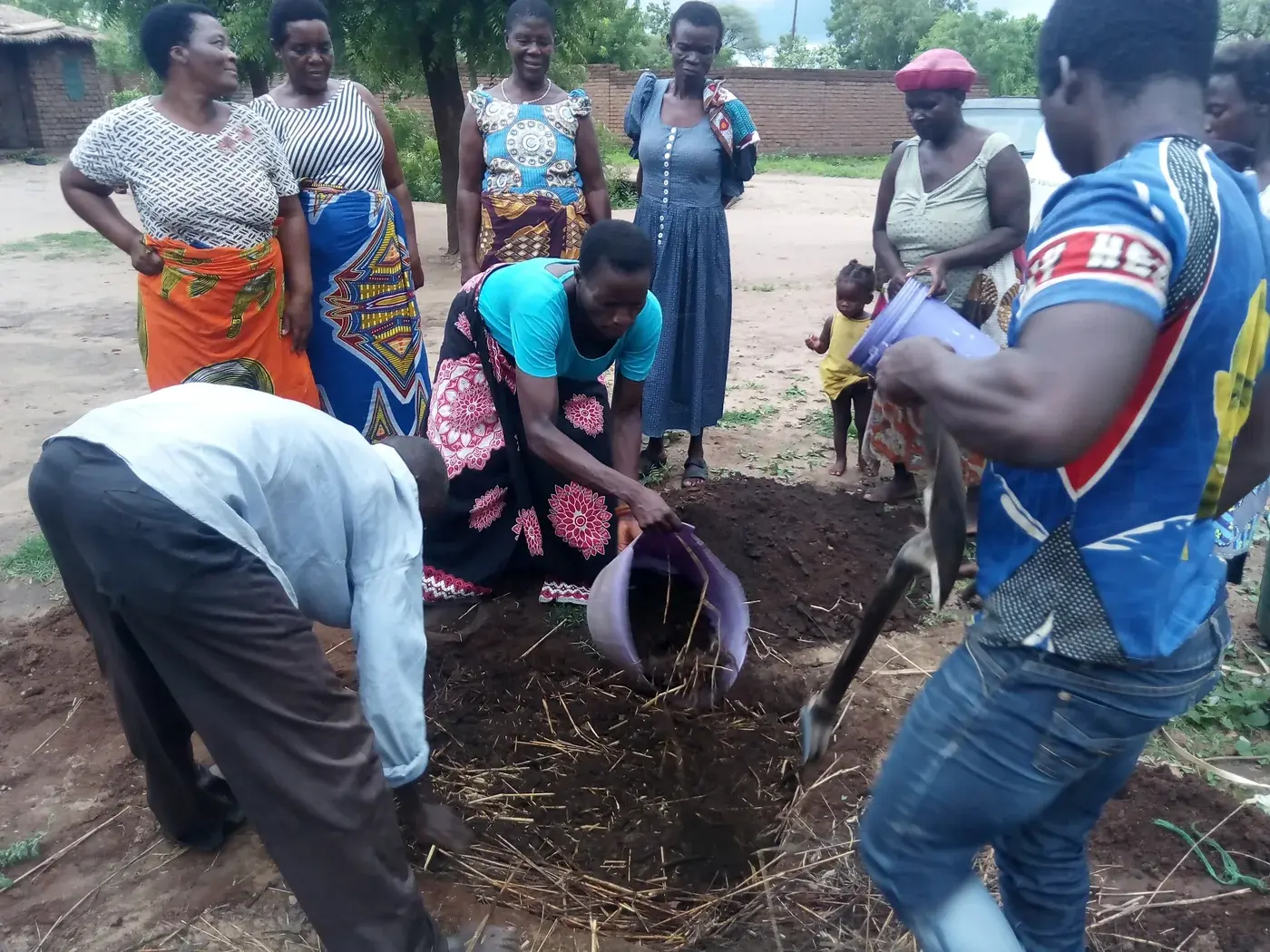 02
02Demonstrations explore how accessible materials and local knowledge can support production.
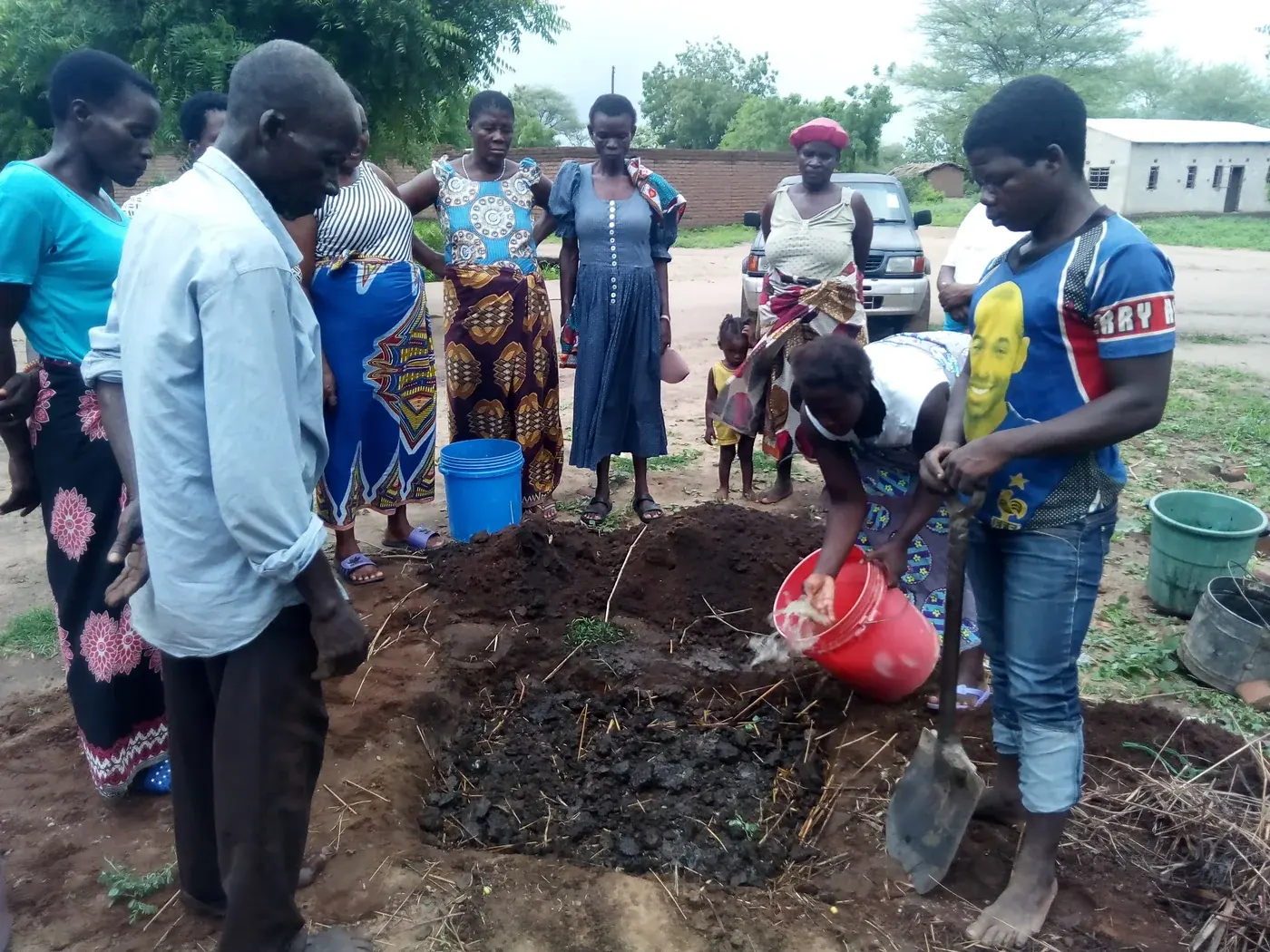 03
03Farmers and facilitators discuss techniques together rather than receiving one-way instruction.
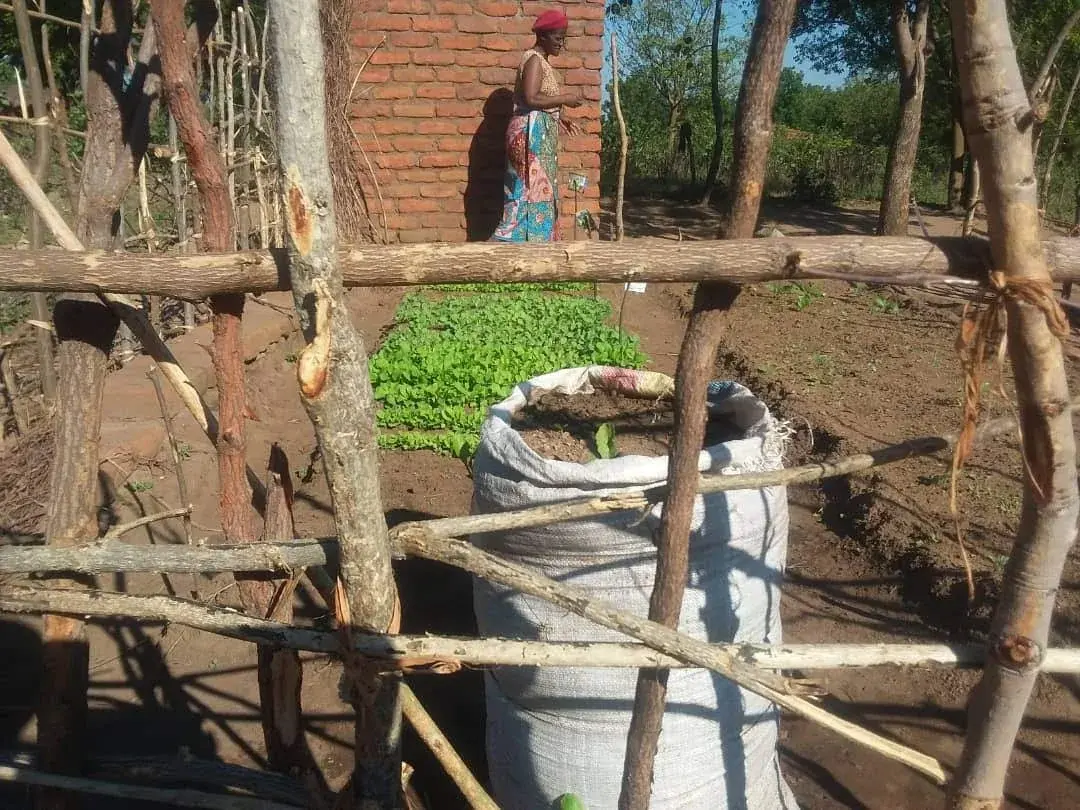 04
04Nurseries and careful establishment practices help protect young plants and strengthen continuity.
How SURCOD works
Farmers and local structures define production challenges, existing strengths and priority needs.
Participants agree on practical activities, responsibilities, timing and locally appropriate methods.
Training and field demonstrations connect technical guidance with observation and hands-on learning.
Farmers test practices, compare experience and adjust methods to suit their own circumstances.
Communities assess progress, document learning and strengthen the structures needed to continue.
Intended outcomes
Programme results depend on each project's scope and context. SURCOD's agriculture work is designed to contribute towards these longer-term outcomes.
Households strengthen their ability to produce food under changing environmental and economic conditions.
Practical skills, farmer-to-farmer exchange and local structures help learning continue beyond individual activities.
Productive resources are managed with greater attention to conservation and long-term use.
Improved planning, cooperation and production can support household income and livelihood diversification.
Connected programme areas
Food systems depend on healthy ecosystems, responsible water management, equal participation and communities that can learn and organise together.
SURCOD welcomes partners who value farmer participation, practical learning, environmental responsibility and locally owned progress.