
Gender equality & women's agency
Women and girls strengthen knowledge, confidence, voice and access to opportunities while communities examine barriers to equal participation.
Community-led development for resilient rural Malawi.
Gender, health & inclusion
SURCOD works with women, men, young people and marginalised groups to advance gender equality, strengthen health awareness, promote dignity and create safer, more inclusive pathways to community participation and support.
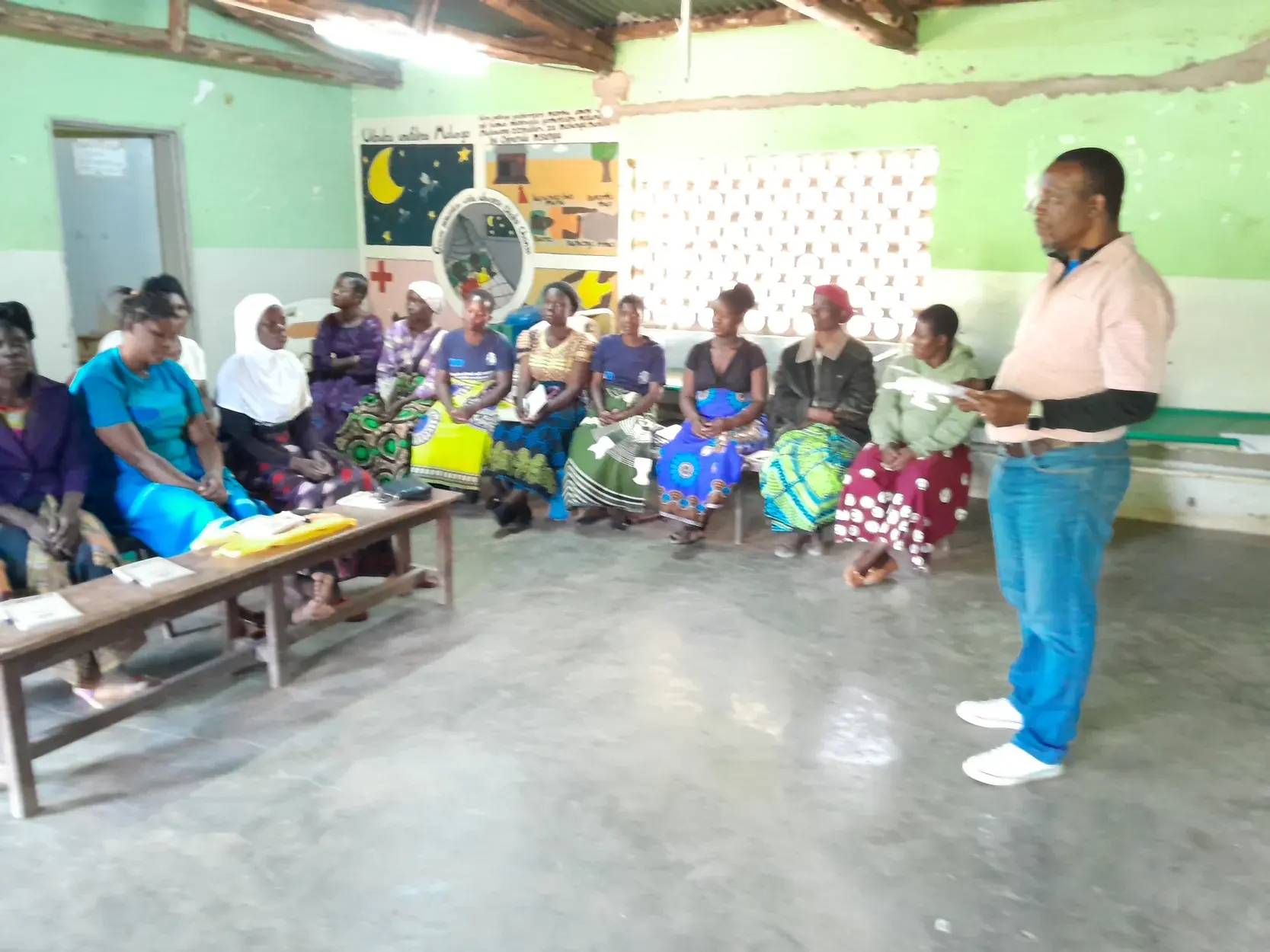
Community dialogue supports informed choices
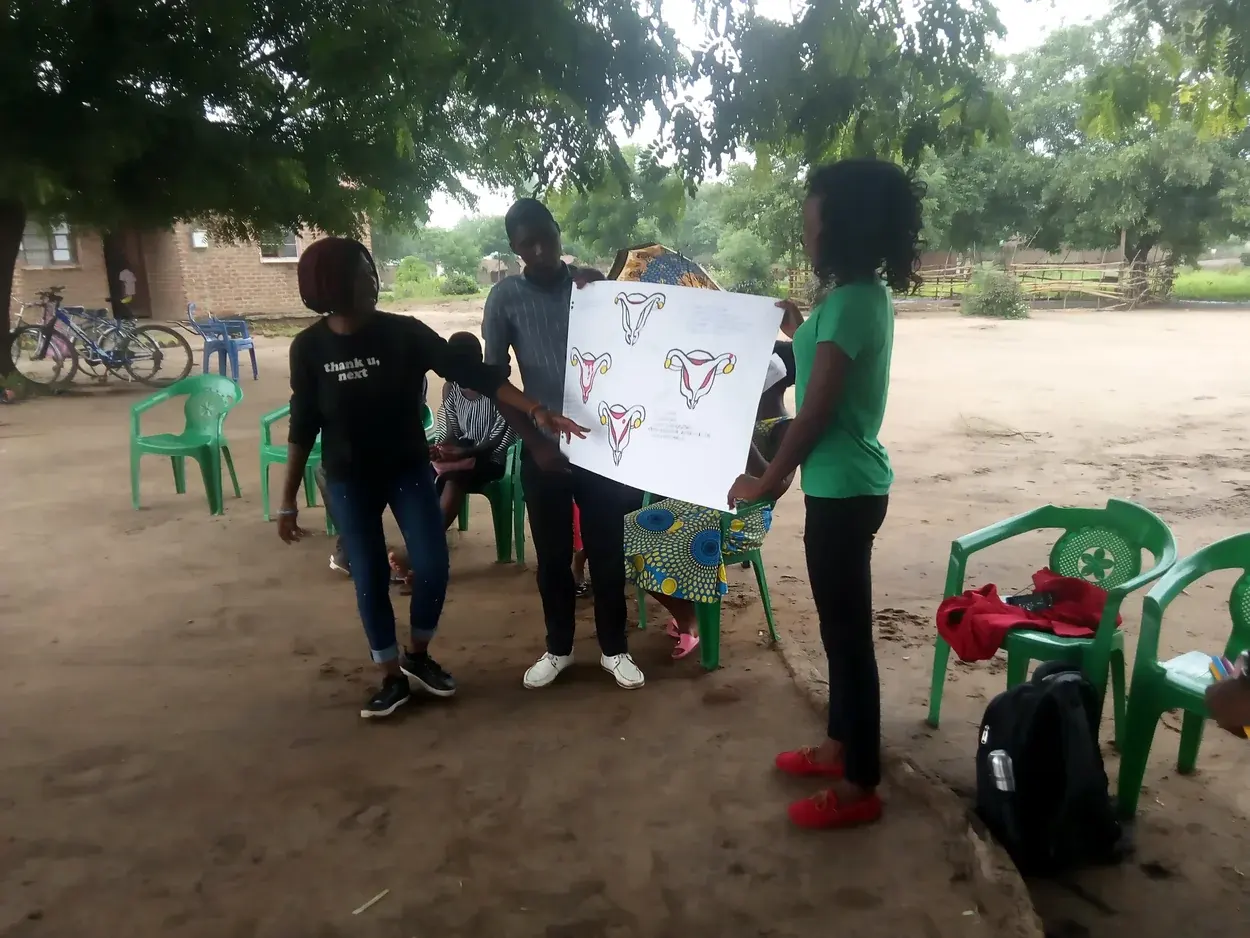
Accessible information strengthens agency
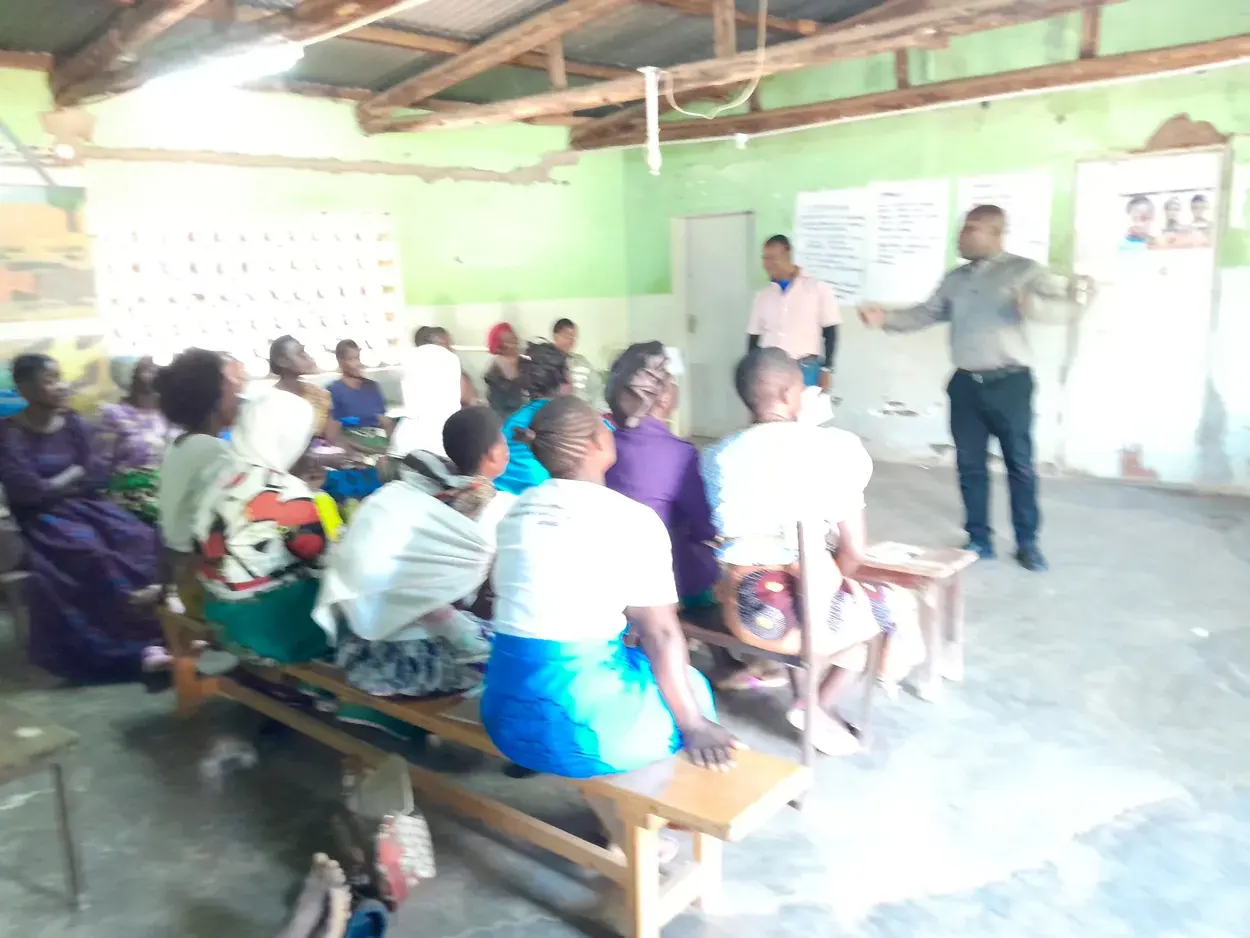
Participation begins with being heard
Why this programme matters
SURCOD's strategic direction places gender empowerment, health and equality at the centre of its mission. Women and men are treated as equal partners, while programmes are expected to address the barriers that limit women's participation and independence.
Health awareness, prevention, water, sanitation and hygiene are closely connected to livelihoods, education and community resilience. Reliable information and appropriate referral pathways can help people make informed choices and seek qualified support.
Inclusion also requires safe programme design, non-discrimination, confidentiality and meaningful participation by people who are often overlooked or exposed to greater risks.
Women, men and marginalised groups should have meaningful opportunities to contribute and benefit.
Practical health awareness supports prevention, early action and access to appropriate services.
Programmes must respect privacy, autonomy, protection and the right to participate without harm.
Programme focus
Activities are shaped with communities and adapted to age, accessibility, language, local risks and available referral services.
Women and girls strengthen knowledge, confidence, voice and access to opportunities while communities examine barriers to equal participation.
Facilitated learning supports understanding of common health concerns, prevention practices, hygiene and the value of seeking qualified care.
Age-appropriate and respectful information helps participants understand their health, rights and available sources of professional support.
Community awareness addresses harmful practices, gender-based violence, exploitation, abuse and the right to seek help without retaliation.
Programmes seek to remove discriminatory barriers affecting women, young people, people with disabilities and other marginalised groups.
SURCOD connects awareness activities with trusted local structures and qualified health, social welfare, protection and legal services.
Learning and participation in practice
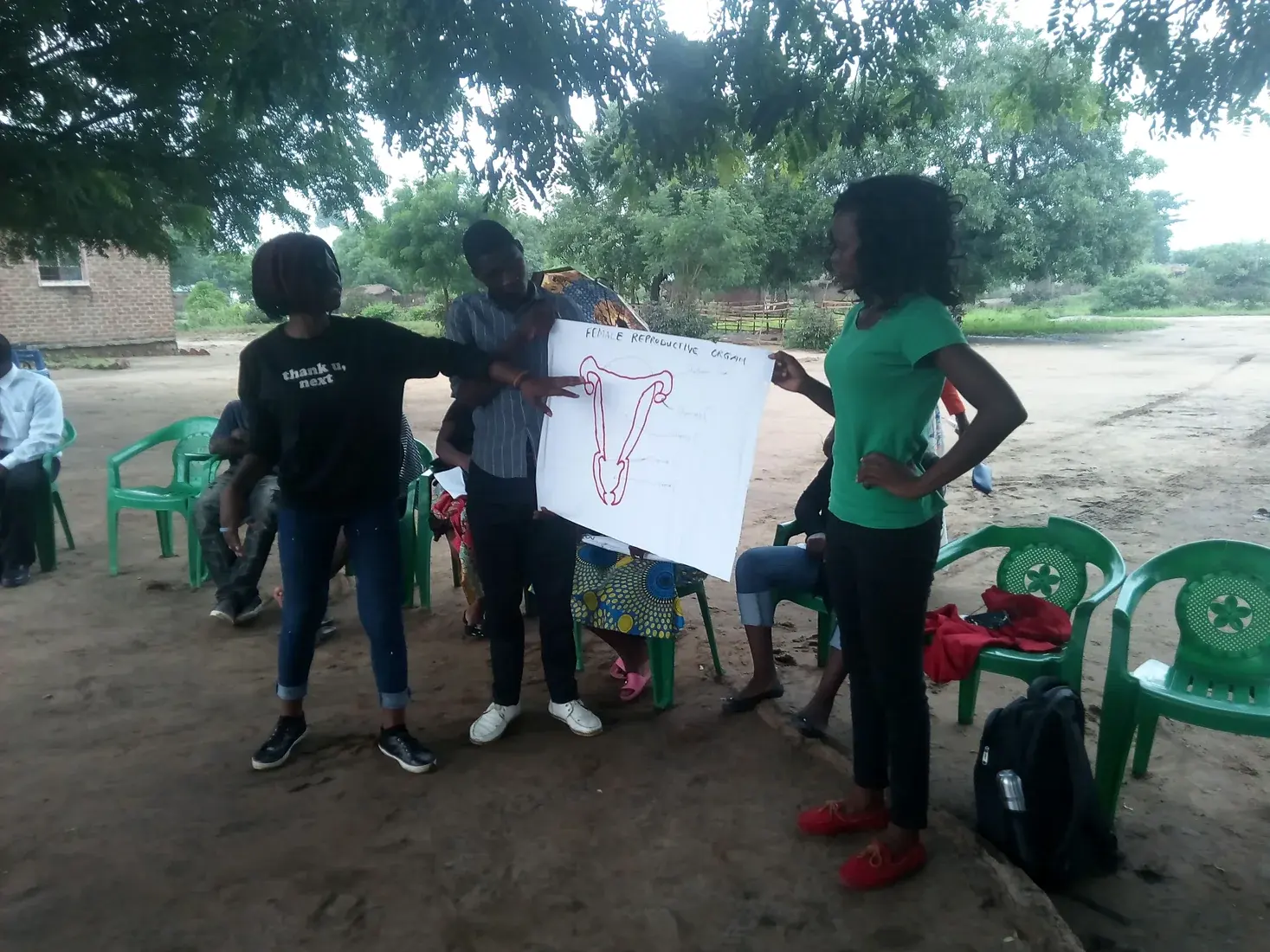
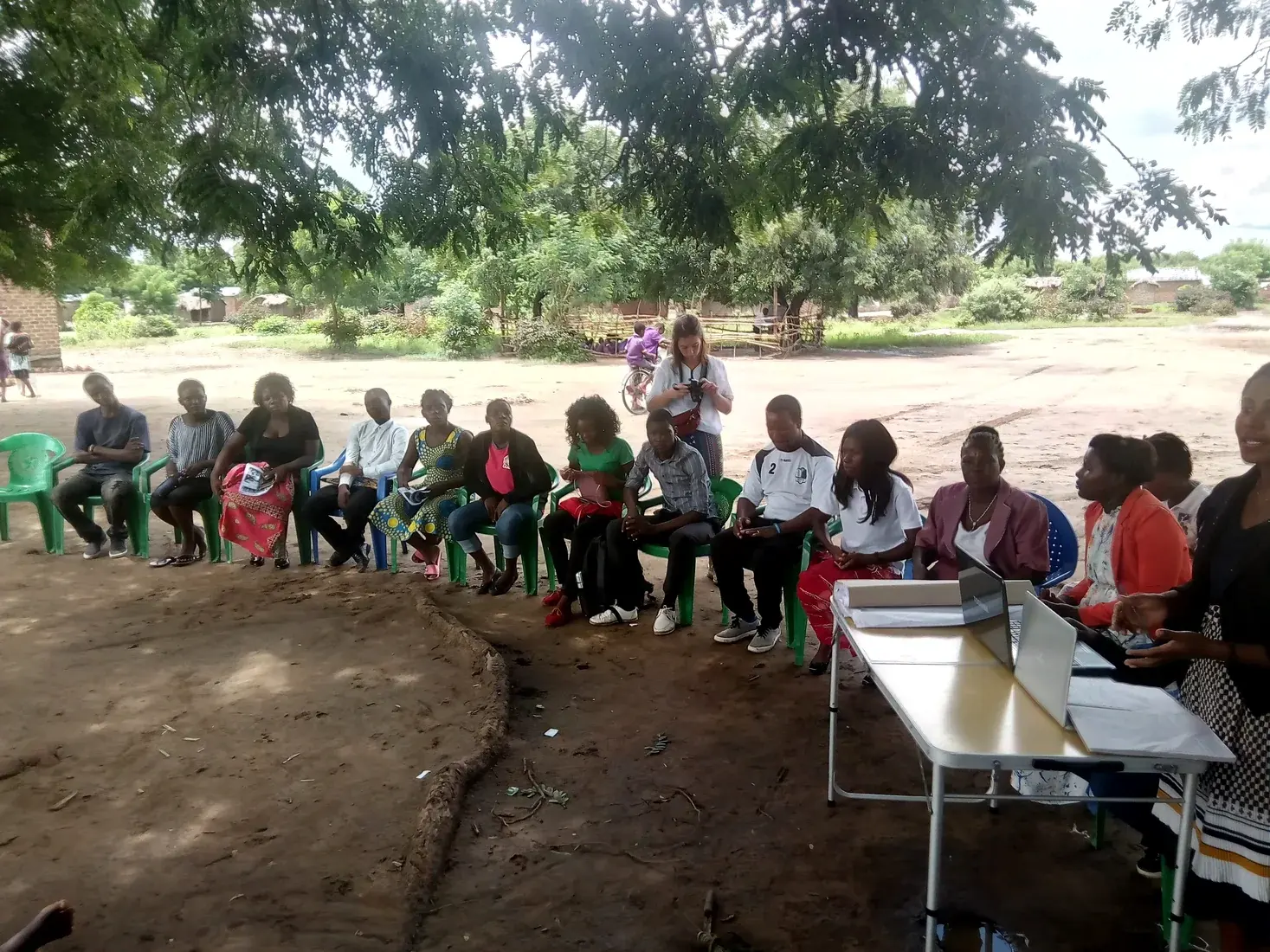
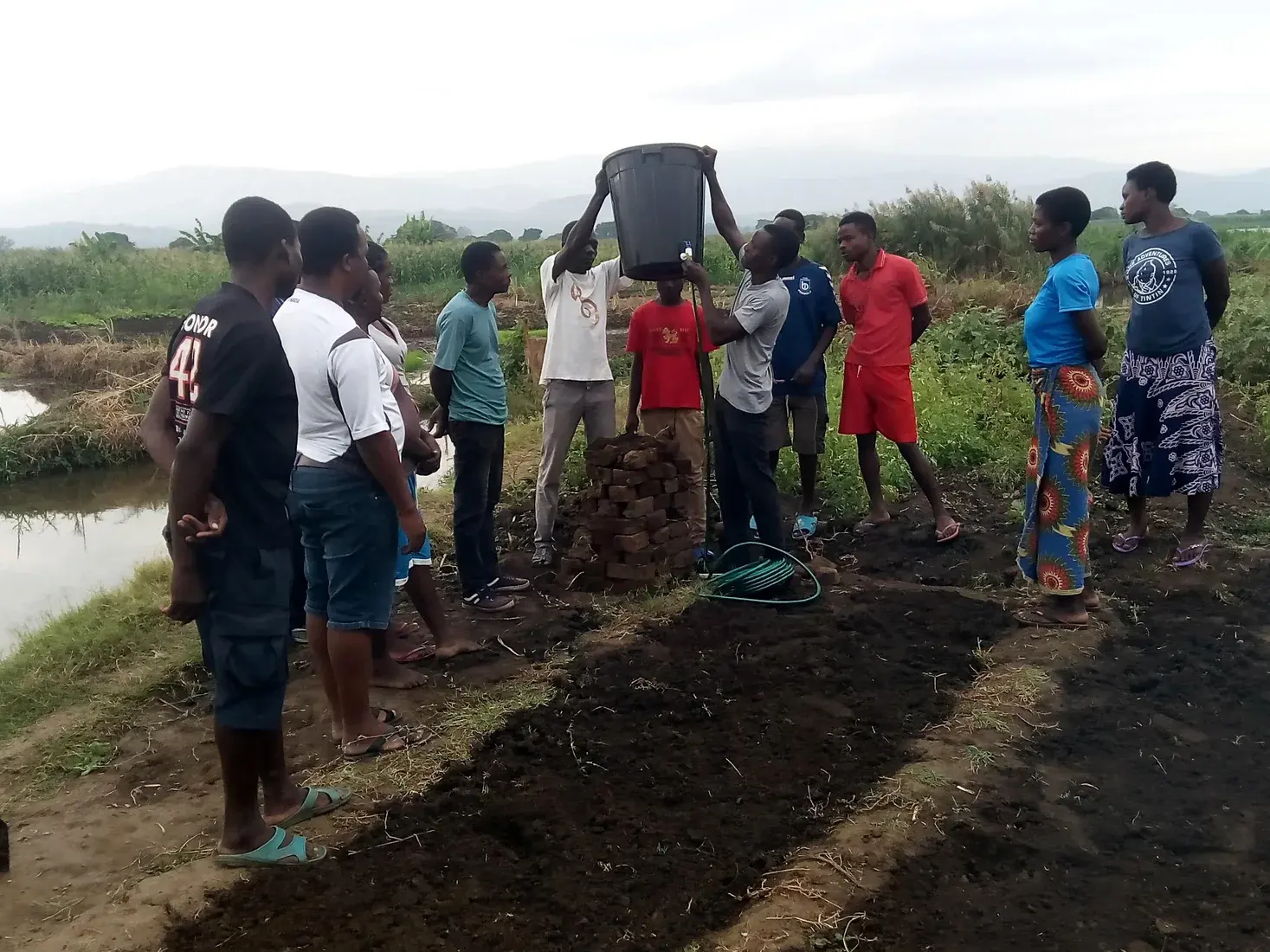
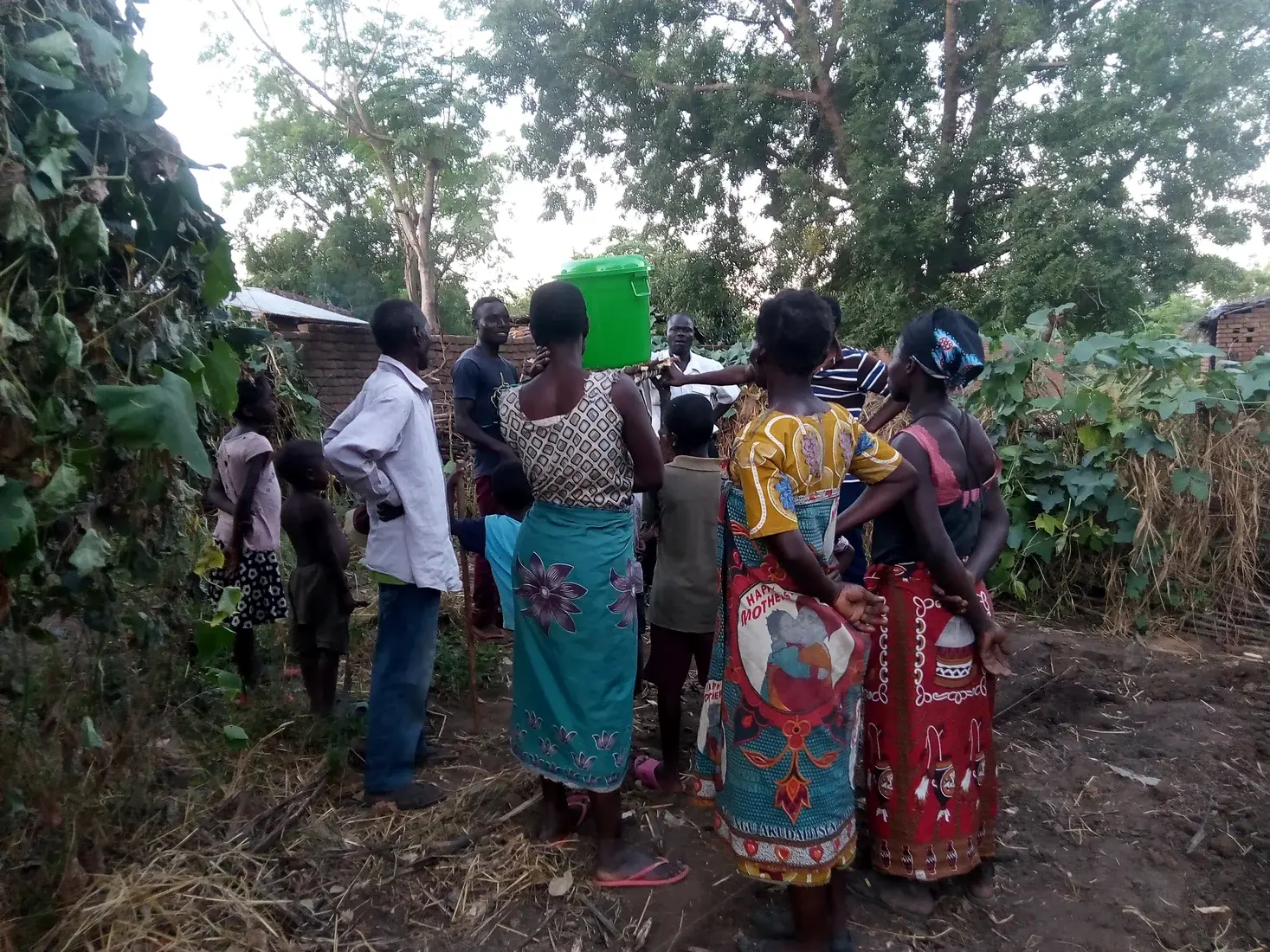
Participatory sessions combine visual learning, dialogue, practical demonstrations and community experience while respecting privacy and safeguarding requirements.
 01
01Visual materials and facilitated discussion can make complex health information easier to understand and remember.
 02
02Open, respectful discussion allows participants to raise questions, compare experiences and identify local concerns.
 03
03Inclusion is strengthened when women and men learn, contribute and make decisions together in practical programmes.
 04
04Collective action creates space for women to build confidence, organise around priorities and strengthen local ownership.
How SURCOD works
Communities identify barriers, health concerns, protection risks and groups whose voices are often excluded.
Facilitators share accessible, respectful and context-appropriate information while encouraging questions.
Activities are adapted so that women, men, young people and marginalised participants can engage meaningfully.
Participants are linked with trusted community structures and qualified services when specialised support is needed.
Communities reflect on participation, safety, learning and the changes needed to improve future action.
Protection and safeguarding
SURCOD's safeguarding and PSEAH framework applies a zero-tolerance, do-no-harm approach and requires accessible, confidential and accountable responses to concerns.
Programme risks are considered before activities begin and monitored throughout delivery.
Sexual exploitation, abuse, harassment, retaliation and other forms of mistreatment are prohibited.
Safety, dignity, informed choice, confidentiality and autonomy guide support for people affected by harm.
Concerns are handled on a need-to-know basis through appropriate and accessible reporting channels.
Protection and support should be equitable regardless of gender, disability, age or other personal characteristics.
Medical, psychosocial, social-welfare, legal and protection needs are referred to competent services and authorities.
Intended outcomes
Results depend on each project's scope, participants and partnerships. SURCOD's gender, health and inclusion work is designed to contribute towards these longer-term outcomes.
Participants can make more informed choices and communicate their needs, rights and priorities with greater confidence.
Women and marginalised groups take more meaningful roles in community initiatives, learning and decision-making.
Safeguarding, confidentiality and accountable conduct become visible parts of programme planning and delivery.
Community members understand where and how to seek qualified health, protection, social-welfare and legal assistance.
Connected programme areas
Food security, livelihoods, education, climate resilience and youth opportunity are stronger when programmes account for unequal barriers, health needs, safety and meaningful participation.
SURCOD welcomes partners who value gender equality, accessible health awareness, safeguarding, non-discrimination and survivor-centred practice.