
Water conservation
Communities strengthen awareness and practical approaches for protecting, conserving and responsibly using local water resources.
Community-led development for resilient rural Malawi.
Climate & environment
SURCOD works alongside communities to conserve water and soil, restore trees and ecosystems, strengthen environmental knowledge and support livelihoods that can adapt to changing conditions.
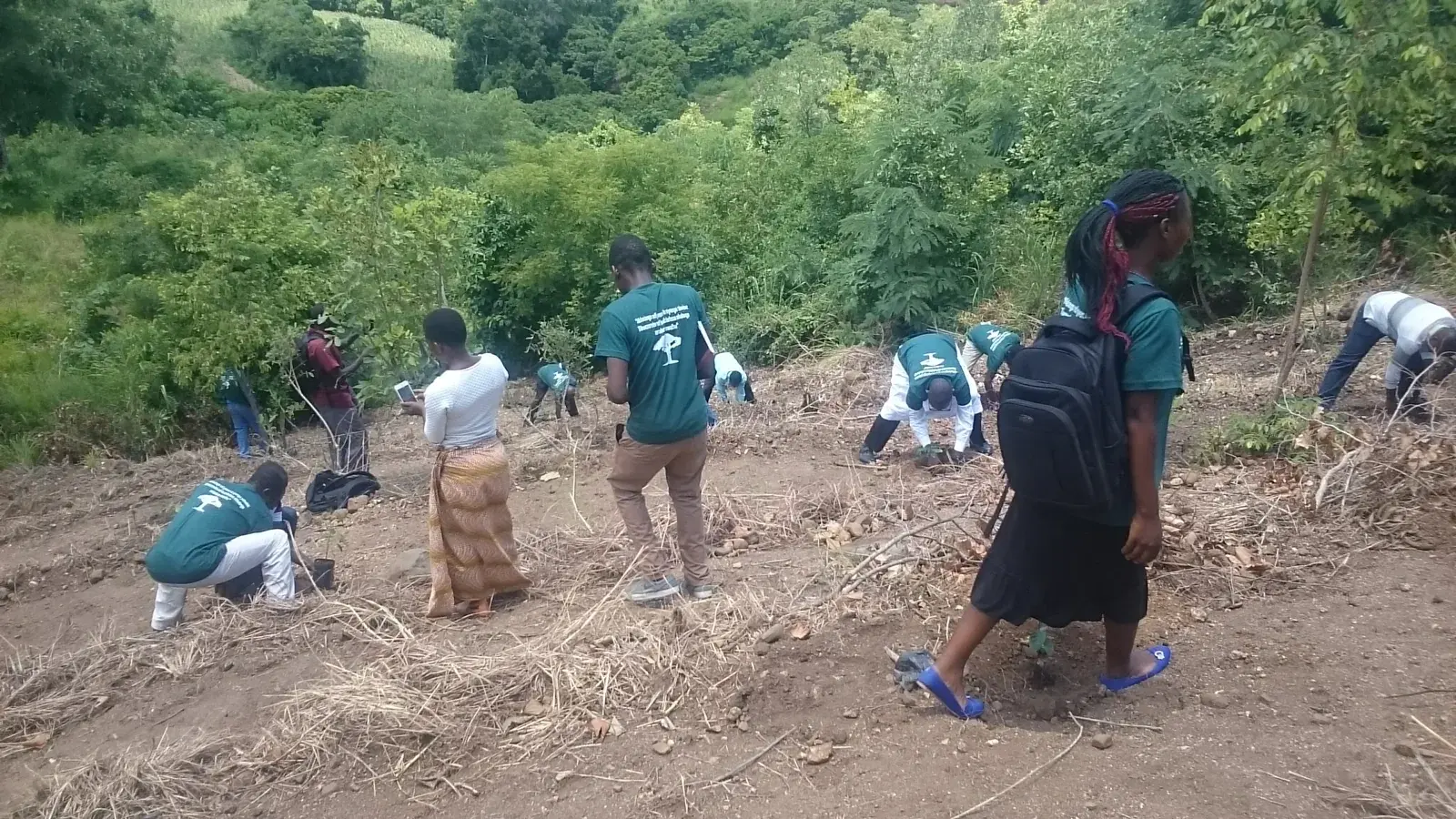
Collective action restores landscapes
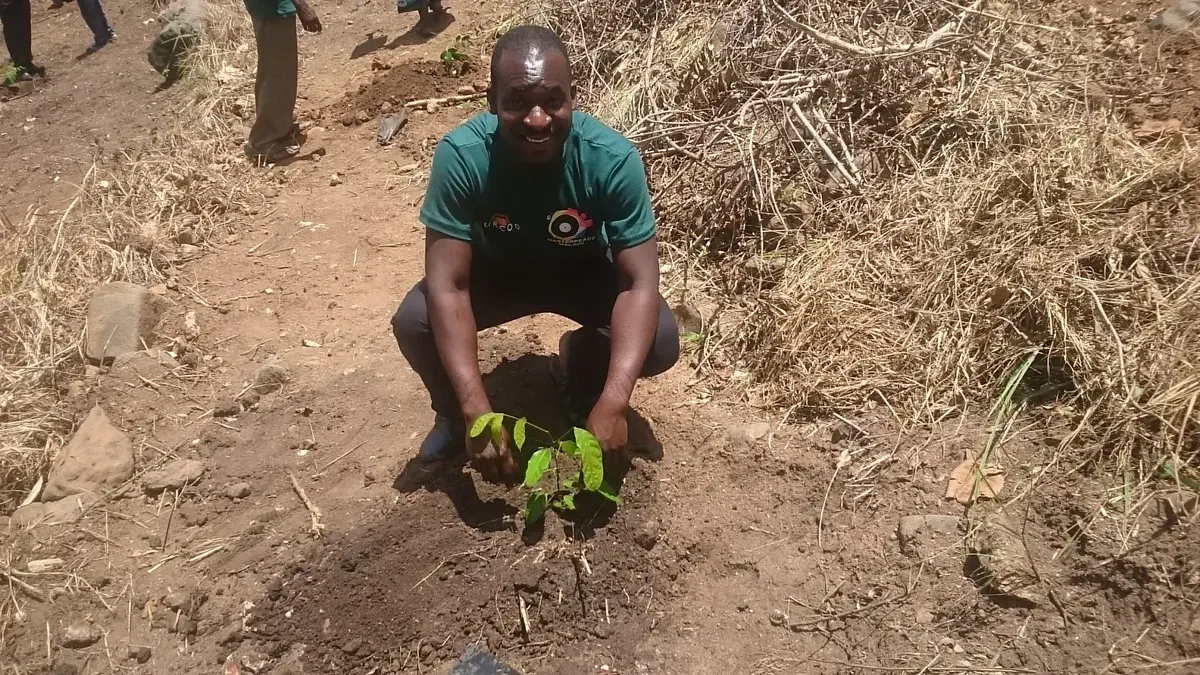
Restoration begins with practical action
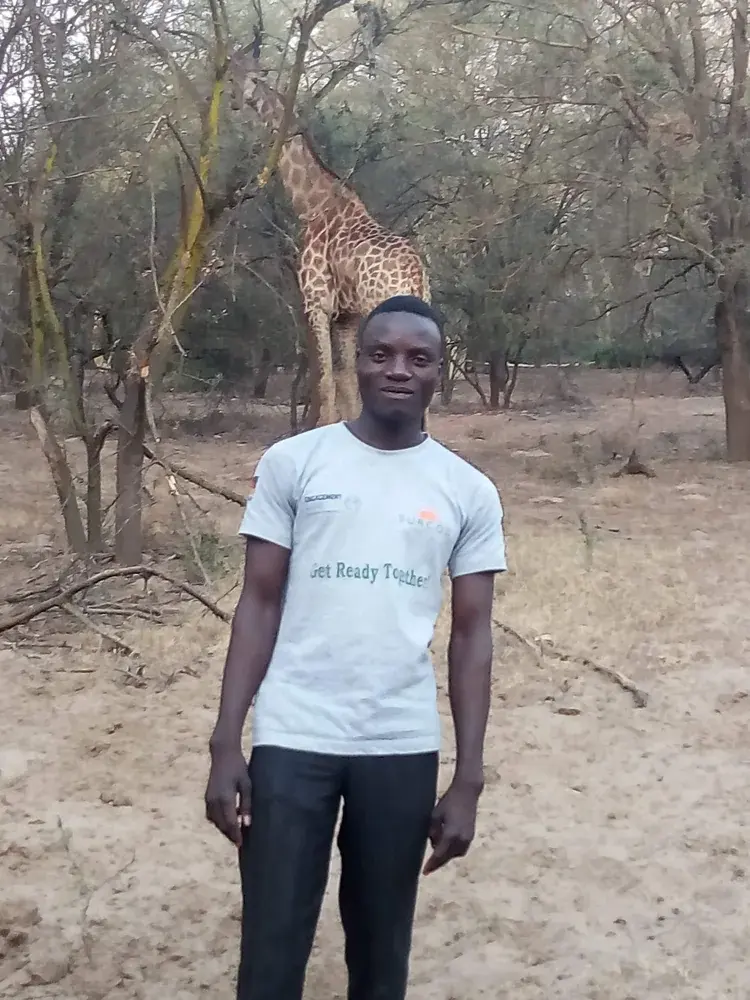
Biodiversity learning in context
Why this programme matters
Land, water, trees and local ecosystems support food production, household livelihoods and the wider well-being of rural communities.
SURCOD's founding objectives include improving soil fertility, water-conservation techniques and natural-resource management. Environment and climate change also remain recognised programme areas across the organisation.
The programme connects practical conservation with community participation, local knowledge and shared responsibility so that environmental action can continue beyond individual projects.
Protecting soil, vegetation and productive land supports long-term community well-being.
Conservation and responsible use help communities protect a resource essential to health and livelihoods.
Communities help identify environmental priorities, carry out action and sustain progress.
Programme focus
Activities are shaped around local environmental pressures, community priorities and the resources available within each project area.
Communities strengthen awareness and practical approaches for protecting, conserving and responsibly using local water resources.
Land-management, erosion-control and soil-improvement practices help protect productive landscapes and reduce further degradation.
Tree planting, afforestation and protection of existing vegetation contribute to healthier local ecosystems.
Environmental learning is connected to agriculture, household livelihoods and practical choices that reduce vulnerability.
Community sessions and practical demonstrations strengthen understanding of conservation, climate pressures and collective responsibility.
Local groups, leaders and institutions help organise action, monitor shared resources and sustain environmental commitments.
Environmental action in practice
Practical activities create opportunities to connect environmental knowledge with visible action, local experience and shared responsibility.
 01
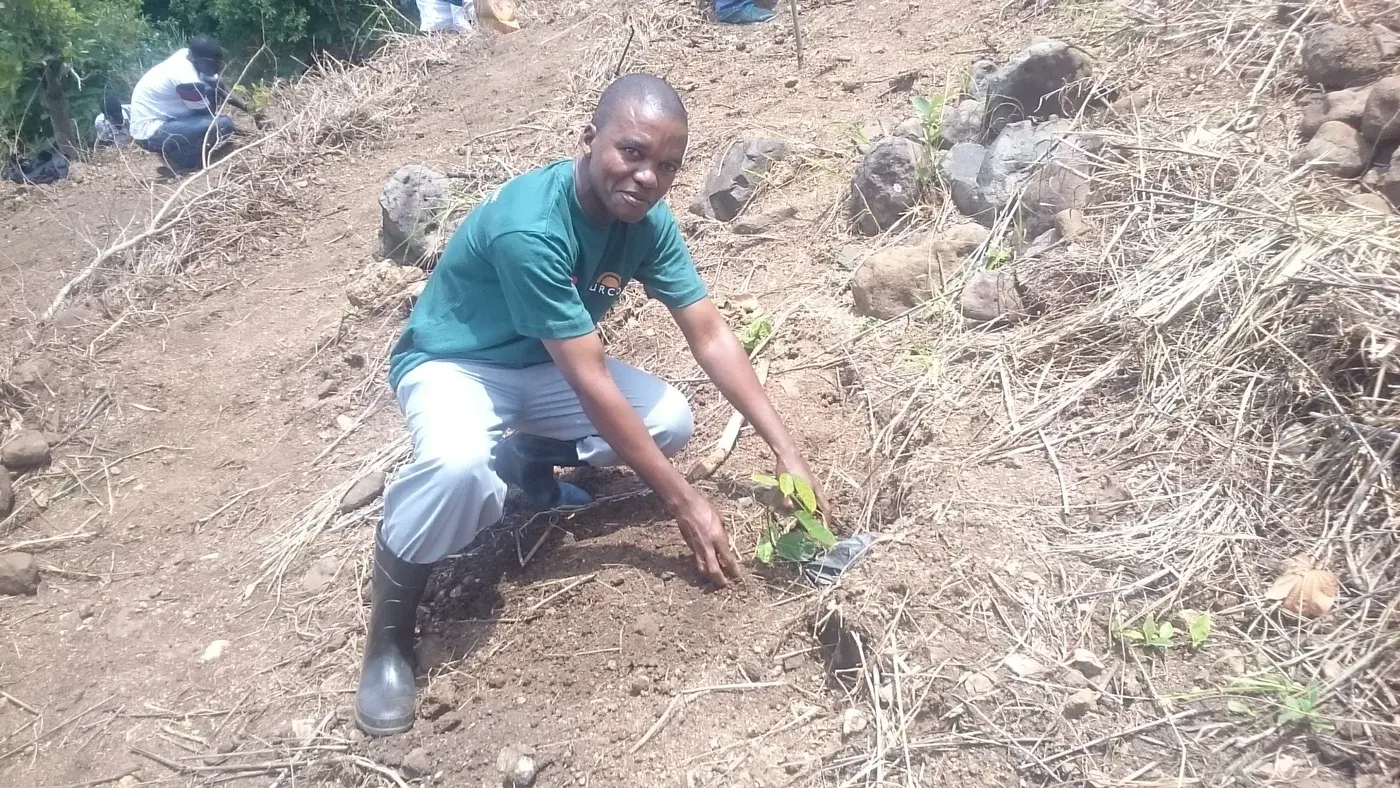
01Collective planting and restoration activities bring people together around a shared environmental priority.
 02
02Hands-on learning supports correct planting, early care and stronger prospects for young trees.
 03
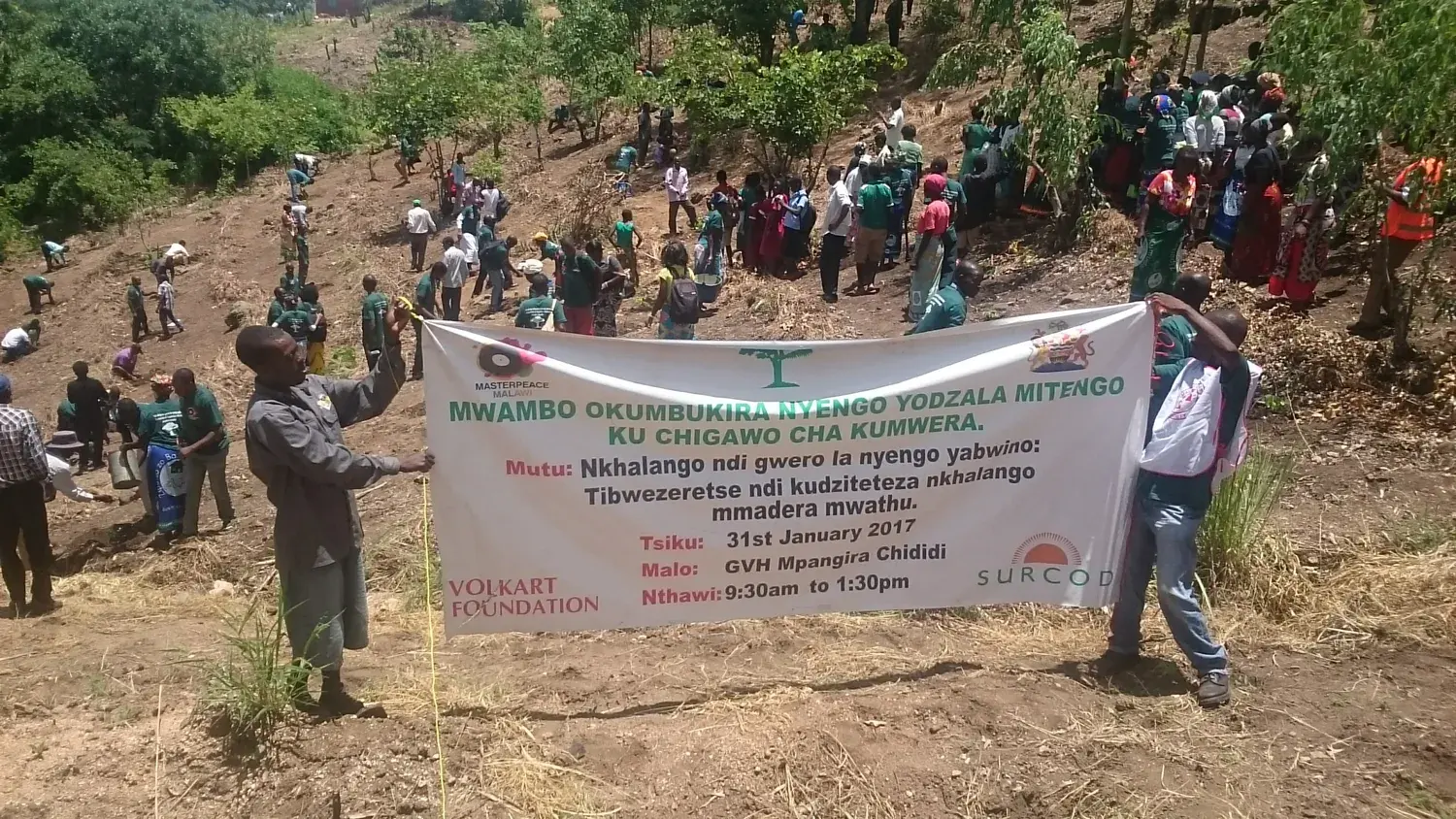
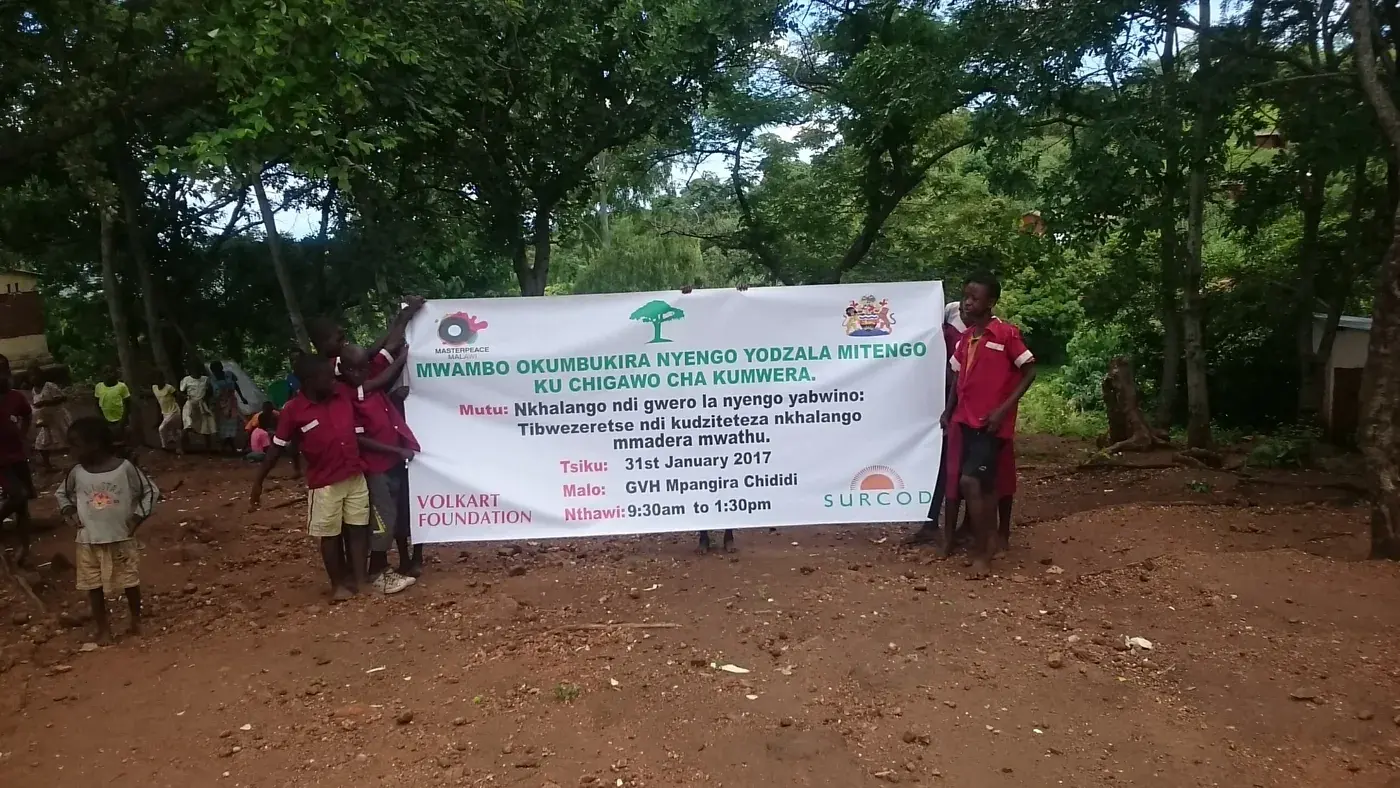
03Clear messages and organised community events help turn environmental concerns into coordinated action.
 04
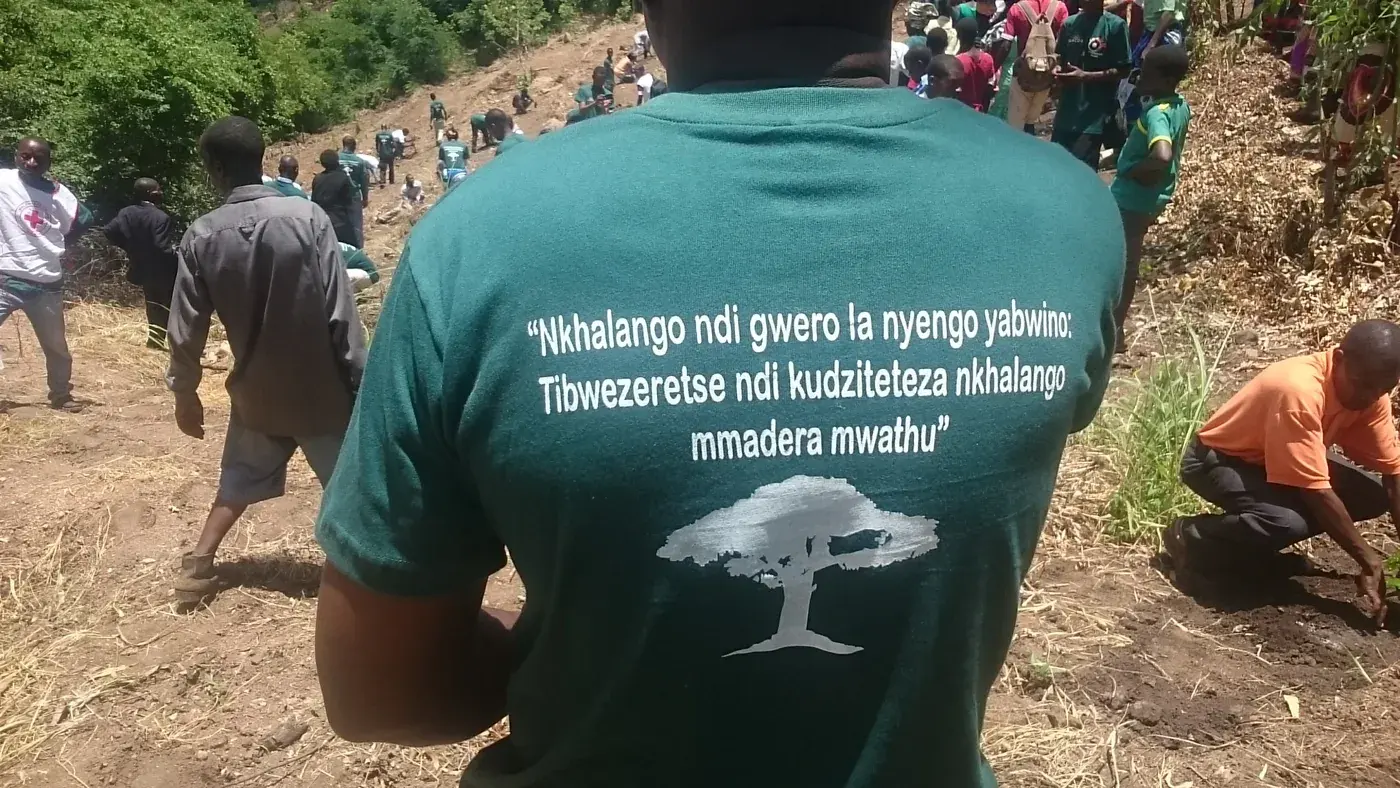
04Visible leadership and common purpose help environmental responsibility become part of community life.
How SURCOD works
Communities identify environmental pressures, affected resources, local knowledge and existing strengths.
Participants agree on the most relevant actions, responsibilities and practical methods for the local context.
Tree planting, conservation and land-management activities translate plans into practical environmental action.
Communities observe progress, compare experience and adjust activities as conditions and learning evolve.
Local structures, shared responsibility and continued learning support long-term stewardship.
Intended outcomes
Results depend on each project's scope and environmental context. SURCOD's climate and environment work is designed to contribute towards these longer-term outcomes.
Communities strengthen practices that protect soil, vegetation and local water resources.
Practical learning and community exchange support continued awareness and action.
Households and producer groups connect environmental stewardship with the resources their livelihoods depend on.
Community structures take greater responsibility for organising, monitoring and sustaining environmental action.
Connected programme areas
Climate and environmental pressures influence agriculture, income, health and the opportunities available to future generations. SURCOD therefore connects environmental action with its wider programme model.
SURCOD welcomes partners who value community participation, practical conservation, climate-aware livelihoods and locally owned environmental progress.