
01
Community voice
People help define priorities and contribute throughout planning, implementation, management and evaluation.
Community-led development for resilient rural Malawi.
Our story
SURCOD grew from a commitment to rural self-reliance: development should be shaped with communities, grounded in local knowledge and sustained through local ownership.
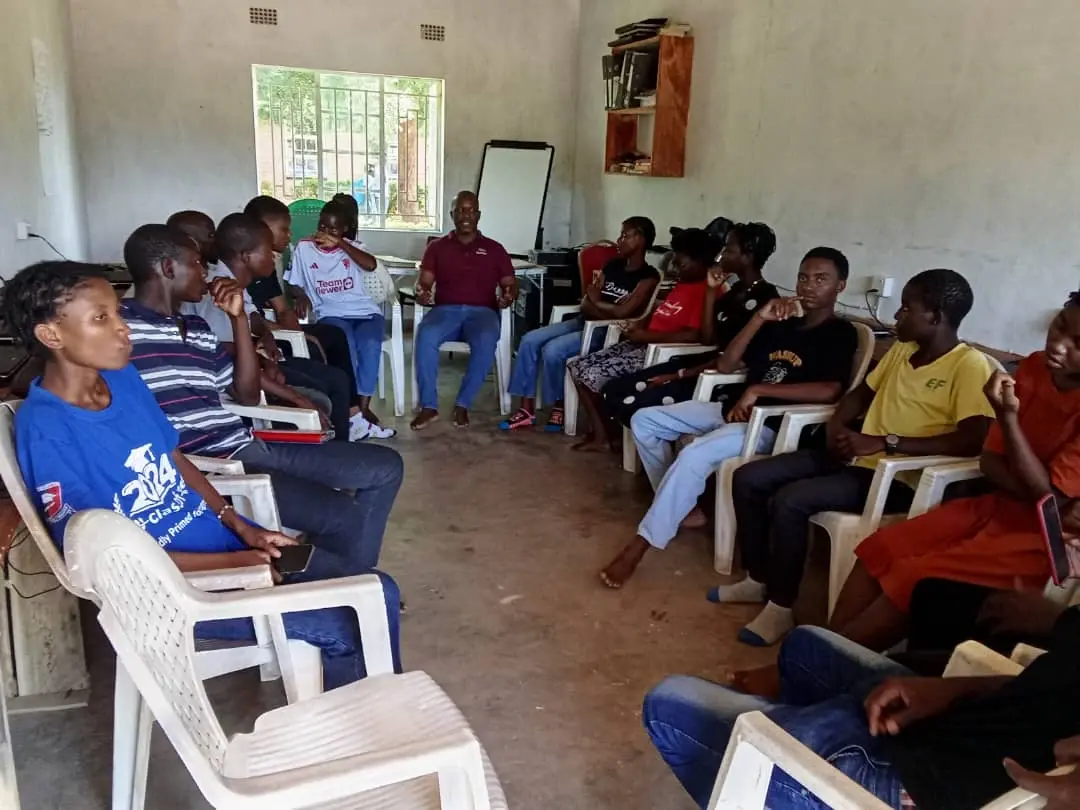
Community-led since the beginning
How the journey began
SURCOD was established to support integrated rural development with the full participation, ownership and empowerment of the people involved.
Its founding objectives connected food security, household income, health, education, water conservation, natural-resource management, gender equality and human rights. This integrated understanding continues to shape the organisation's work.
From the beginning, the central idea was not to impose development from outside, but to help communities identify priorities, strengthen their capacities and lead sustainable solutions.
Our journey
SURCOD's founding framework promoted self-dependency, self-sufficiency and integrated development through community participation and empowerment.
The Sustainable Rural Community Development Organisation was formally incorporated in Malawi under registration number 10522.
SURCOD became a member of the Council for Non-Governmental Organisations in Malawi under membership number C564/2011.
The organisation later registered with the NGO Board of Malawi under NGO/L/15/014 and obtained ECOSOC Special Consultative Status.
SURCOD's work developed across sustainable agriculture, food security, health, education, climate and environment, governance, human rights, gender equality and youth development.
SURCOD works primarily in Chikwawa and Nsanje through community-based organisations, youth clubs, farmer groups, traditional leaders and local government structures.
What has remained constant
Programmes change as community needs and opportunities evolve, but SURCOD's core way of working remains consistent.
People help define priorities and contribute throughout planning, implementation, management and evaluation.
Livelihoods, health, education, rights, inclusion and environmental resilience are treated as interconnected.
Training and collaboration strengthen the knowledge, structures and confidence needed to sustain progress.
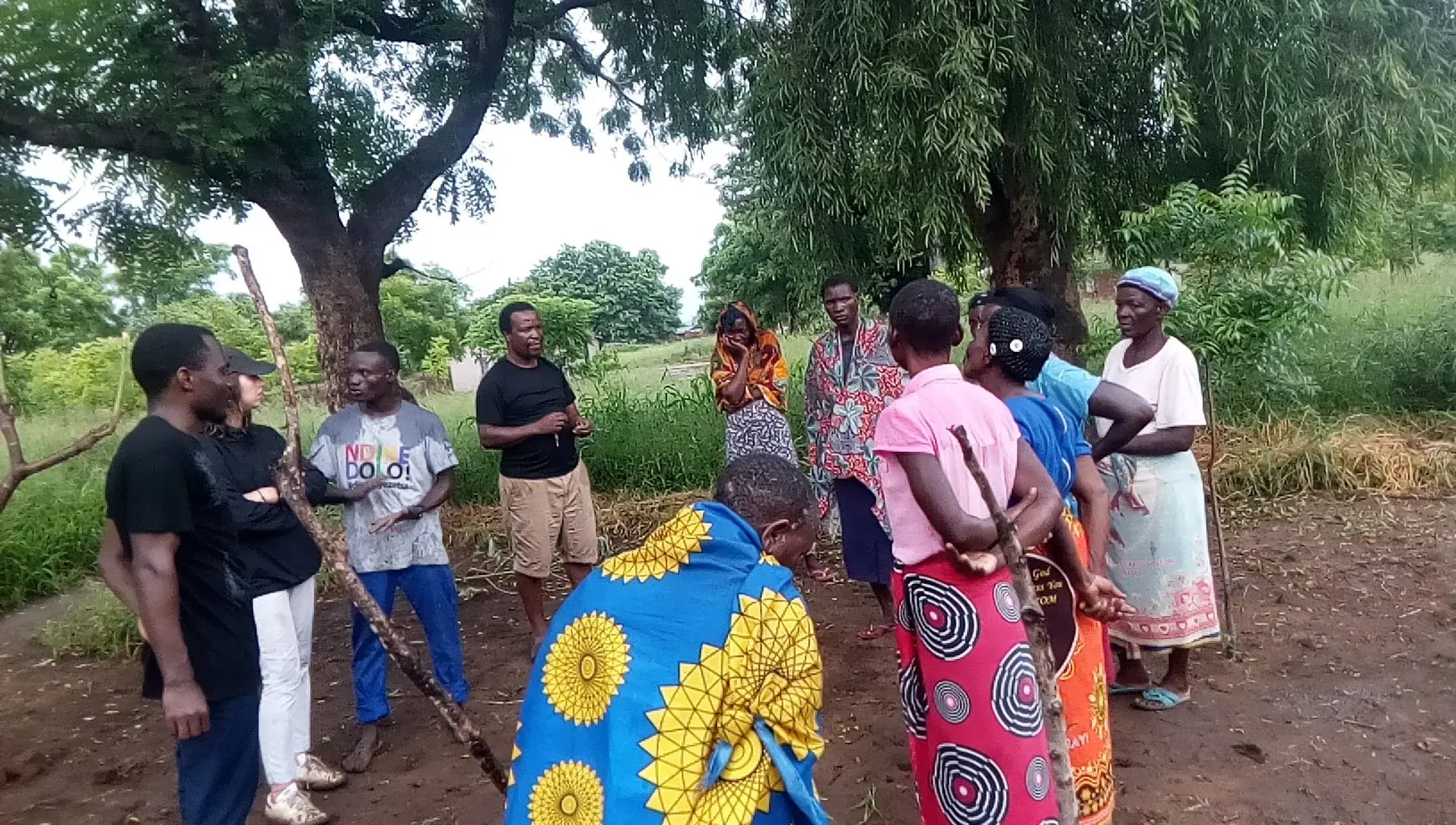
Development shaped together
SURCOD brings community knowledge, practical experience and facilitation together so that people can define priorities and shape solutions they understand and own.
SURCOD today
The organisation continues to work alongside rural communities while building responsible partnerships that extend learning, resources and opportunity.
Primary programme districts in Malawi's Lower Shire Valley.
CBOs, farmer groups, youth clubs, traditional leaders, volunteers and district structures.
Communities engage from identifying needs through implementation, evaluation and sustainability.
See how the organisation's vision, mission and values translate its history into present-day practice.